
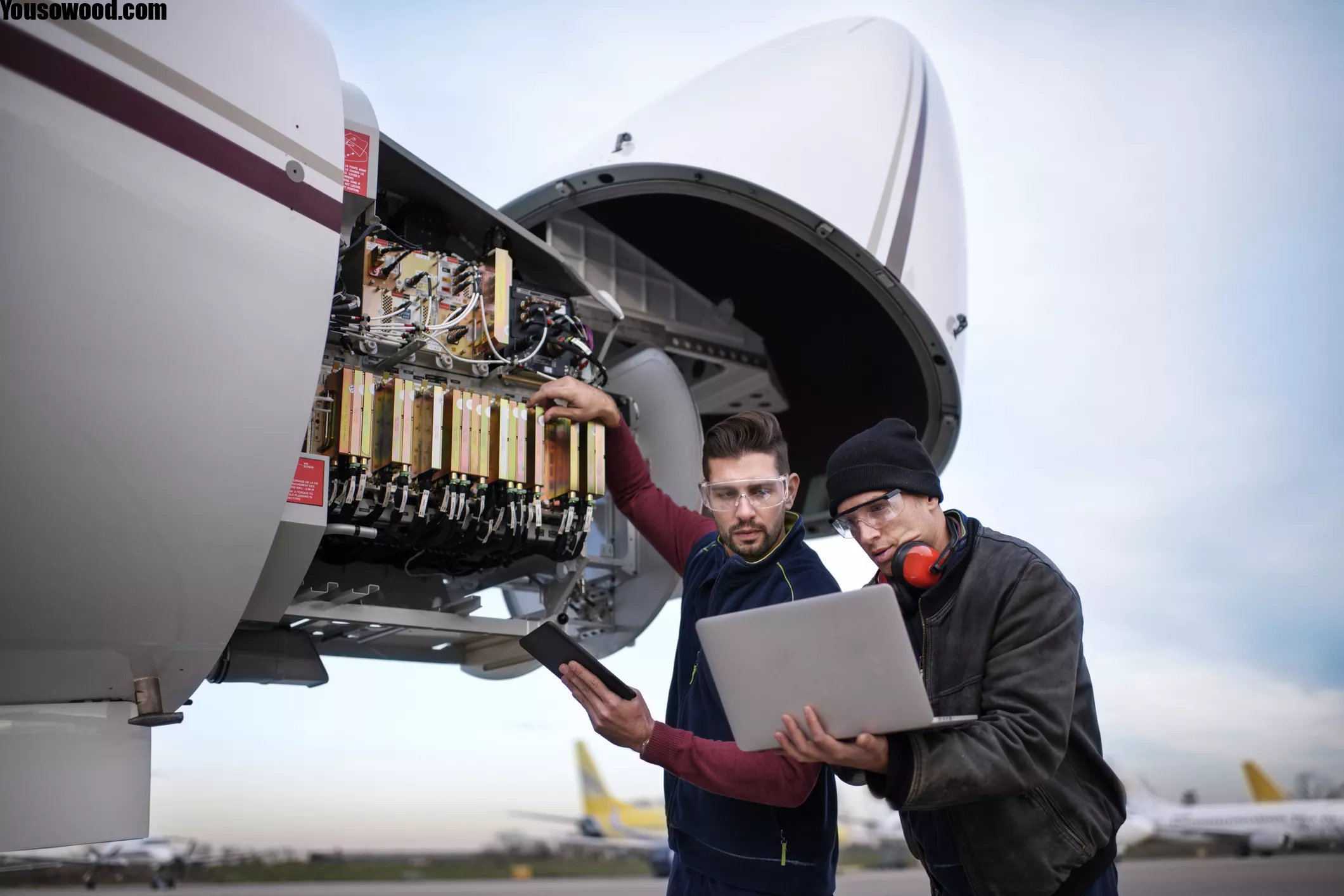
Owning a private jet offers a level of freedom and convenience that is difficult to match, but it also carries significant financial responsibilities. Beyond the purchase price, maintenance costs represent one of the largest ongoing expenses you will face as an aircraft owner. Understanding how to budget effectively for these costs helps you avoid unexpected financial strain while keeping your aircraft airworthy and safe. Having a clear picture of what to expect allows you to plan ahead and make well-informed decisions throughout your ownership experience. Whether you are a first-time owner or a seasoned aviation enthusiast, a well-structured maintenance budget is not optional — it is essential.
Understanding the Categories of Jet Maintenance Costs
Jet maintenance costs generally fall into several distinct categories, each of which demands its own budget allocation. Scheduled maintenance includes routine inspections, oil changes, filter replacements, and system checks required at regular intervals by both the manufacturer and regulatory authorities. Unschedule maintenance, by contrast, covers unexpect repairs arising from component wear, damage, or system failures that cannot always be predicte in advance. Engine overhauls represent one of the most significant long-term expenses, often running into hundreds of thousands of dollars depending on the engine type. Avionics updates and airframe work also fall under maintenance spending and should never be overlooked when projecting annual costs.
Scheduled Inspections and Compliance Requirements
Regulatory compliance is a non-negotiable part of jet ownership, and the associated inspections come at predictable intervals you can plan for financially. The Federal Aviation Administration (FAA) mandates specific inspection programs, including annual inspections and progressive inspection systems for larger jets. Many business jets follow manufacturer-defined maintenance programs — such as those outlined by Cessna, Bombardier, or Gulfstream — which specify inspection intervals based on flight hours, calendar time, or cycles. These programs ensure the aircraft remains airworthy and retains its value, but they require consistent investment over time. Treating these inspections as planned line items in your budget, rather than surprise expenses, is a key habit that experienced owners develop early in their ownership journey.
The Role of Ground Support Equipment in Maintenance Budgeting
Proper ground support equipment plays an important — and sometimes underestimated — role in the overall cost and efficiency of jet maintenance. Equipment such as hydraulic aircraft jacks, towbars, ground power units, and maintenance stands are all necessary tools for servicing an aircraft on the ground. Investing in quality equipment can reduce reliance on third-party service providers and lower the per-service cost over time for owners who operate in-house maintenance facilities. Sourcing reliable equipment from established suppliers is an important step toward building a sustainable maintenance infrastructure. When outfitting a maintenance facility, professionals who need to test and service aircraft on the ground often rely on tronair products for hydraulic jacking, aircraft towing, and ground power solutions that meet the demands of both routine and heavy maintenance operations alike.
Building a Maintenance Reserve Fund
One of the most practical strategies for managing jet maintenance costs is establishing a dedicated maintenance reserve fund. This fund acts as a financial buffer that accumulates over time and is drawn upon when major maintenance events occur. Many aviation financial advisors recommend calculating a per-flight-hour reserve rate, setting aside a fixed dollar amount for every hour the aircraft is flown. The appropriate rate will vary depending on the aircraft type, age, engine model, and the maintenance history of the specific airframe. By contributing to this fund consistently, you reduce the financial shock of large, infrequent events such as engine overhauls or avionics upgrades — costs that can otherwise catch owners off guard.
Working With Maintenance Providers and Service Agreements
Choosing the right maintenance provider and service structure can have a meaningful impact on your overall maintenance expenditures. Many jet owners opt for Maintenance Service Programs (MSPs) or Power by the Hour (PBH) agreements, which allow them to pay a fixed rate per flight hour in exchange for coverage of certain maintenance events. These arrangements offer cost predictability and can be especially valuable for owners who fly frequently or operate newer aircraft still under manufacturer coverage. When evaluating any service agreement, read the terms carefully to understand what is included, what is excluded, and how claims are processed. Working with a reputable provider that has direct experience with your specific aircraft type helps ensure that work is completed correctly and efficiently — which matters far more than the lowest quoted rate.
Conclusion
Budgeting for jet maintenance requires a proactive and thorough approach that accounts for both predictable expenses and unforeseen ones. By understanding the categories of maintenance costs, meeting regulatory inspection requirements, and building a solid financial reserve, you can manage the demands of jet ownership with far greater confidence. Investing in the right ground support tools and selecting appropriate service agreements further strengthens your ability to maintain your aircraft efficiently over the long term. Staying current with your maintenance schedule and keeping open lines of communication with qualified technicians will serve you well throughout your ownership. With the right preparation in place, jet maintenance does not have to be a source of financial uncertainty.