
In today’s digital landscape, visual content is no longer a luxury reserved for big studios or seasoned professionals. From small businesses to independent creators, everyone is finding new ways to tell stories through video. What has changed most dramatically is access. Tools that once required expensive software and years of training are now available to anyone with an internet connection. This shift has transformed video editing from a niche technical skill into a core part of everyday communication, marketing, and personal expression.
The evolution of video creation in the digital age
Video has become the most engaging format online, dominating social media feeds, websites, and advertising campaigns. As attention spans shrink, creators must deliver clear, compelling messages quickly. This demand has pushed innovation at an incredible pace, resulting in smarter, faster, and more intuitive tools.
From complex software to accessible platforms
Not long ago, editing a simple video required powerful hardware and complex timelines filled with layers, effects, and codecs. Today, modern platforms focus on usability. Clean interfaces, drag-and-drop workflows, and guided templates allow beginners to produce polished results without feeling overwhelmed. This accessibility has lowered the barrier to entry and invited millions of new voices into the creative space.
Why video matters more than ever
Video combines sound, visuals, and motion in a way no other medium can. It builds trust, explains ideas quickly, and creates emotional connections. Brands rely on it to explain products, educators use it to teach, and individuals use it to share moments that matter. As consumption increases, so does the need for efficient ways to produce quality content consistently.
The role of editing in strong storytelling
At its core, editing is about decisions. It determines what stays, what goes, and how a story flows from beginning to end. Even the most beautiful raw footage can feel flat without thoughtful structure.
Shaping the narrative
Editing allows creators to guide the viewer’s attention. Through pacing, transitions, and timing, an editor controls emotion and clarity. A quick cut can add energy, while a longer shot can create intimacy. These choices shape how a message is received, making editing an essential storytelling tool rather than a purely technical step.
Balancing creativity and efficiency
Modern creators often work under tight deadlines. Social platforms reward frequent posting, which means speed matters. The challenge is maintaining quality while working faster. This is where smarter tools, presets, and automation features play a critical role, helping creators focus on ideas instead of repetitive tasks.
Artificial intelligence and the new creative assistants
Artificial intelligence has quietly entered the creative workflow, offering support rather than replacing human vision. It analyzes patterns, predicts needs, and automates routine processes, freeing creators to focus on storytelling.
How AI supports creative work
AI can suggest edits, balance audio, generate captions, and even propose visual styles based on the content’s purpose. These features reduce friction, especially for beginners, while professionals use them to speed up production. The result is a smoother process that still leaves room for personal style and decision-making.
The rise of automated video tools
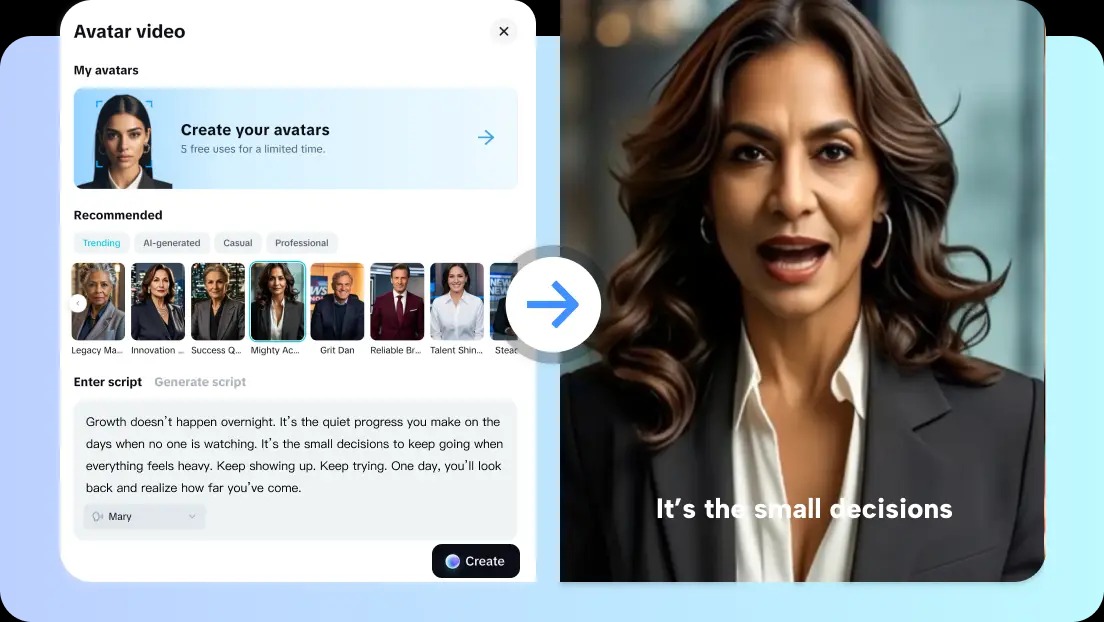
One of the most notable innovations is the free ai video generator, which can transform text, images, or short prompts into complete video drafts. These tools are especially useful for marketing teams and educators who need quick results. While they do not replace human creativity, they provide a strong starting point that can be refined and personalized.
Choosing the right tool for your goals
With so many platforms available, selecting the right one depends on your needs, experience level, and creative goals.
For beginners and casual creators
Beginners benefit from tools that emphasize simplicity. Guided workflows, templates, and automatic enhancements reduce the learning curve. Many people start with AI-assisted platforms because they deliver usable results quickly and build confidence.
For professionals and growing brands
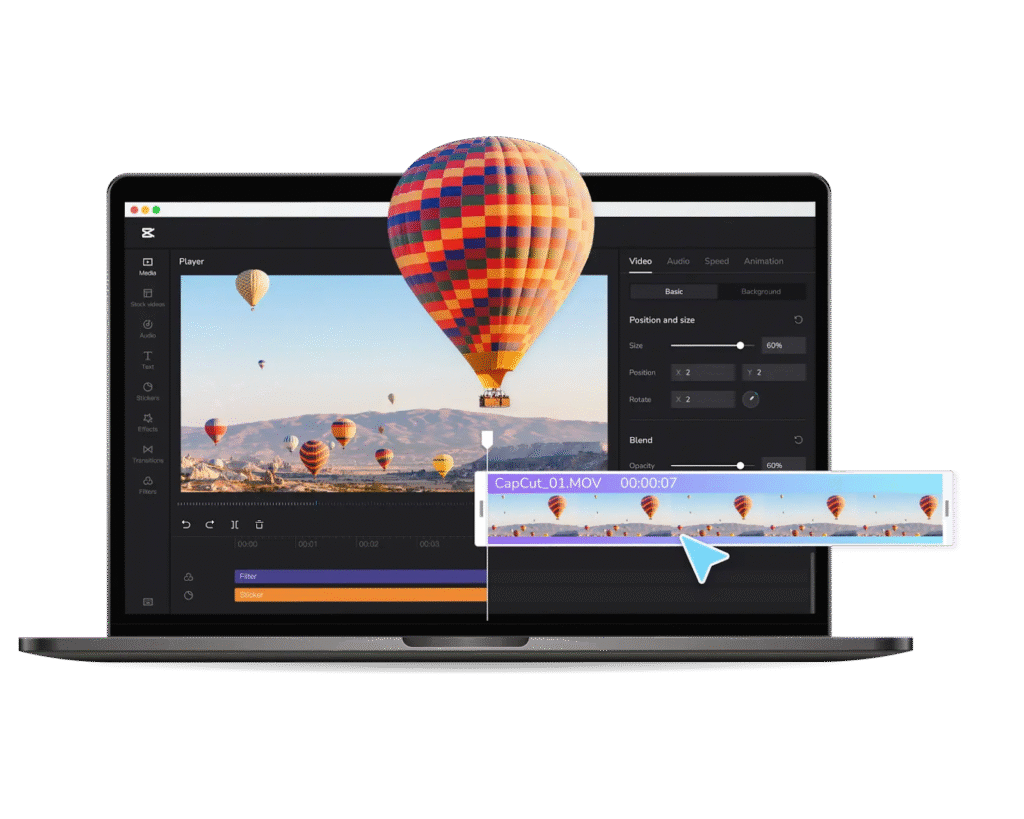
Experienced creators often need more control. Advanced timelines, color grading options, and audio mixing tools allow for precise adjustments. Even at this level, AI features are becoming standard, acting as accelerators rather than shortcuts.
Finding balance between automation and authenticity
One concern often raised is whether automation makes content feel generic. The answer depends on how tools are used. Automation should handle the repetitive work, not replace personal judgment.
Keeping a human touch
Authenticity comes from choices, not tools. Selecting the right clip, adjusting tone, and understanding your audience are human skills. When creators use AI to handle technical tasks, they gain more time to refine these elements and maintain a unique voice.
Avoiding overreliance on defaults
Templates and presets are helpful, but they should be customized. Small changes in pacing, visuals, or music can dramatically improve originality. Treat AI suggestions as recommendations, not final decisions.
Practical tips for better video results
Regardless of the platform you choose, a few principles consistently lead to stronger videos.
Plan before you edit
A clear outline saves time. Knowing your message, audience, and desired outcome helps you make faster decisions during editing. Even a simple script or shot list can improve flow and reduce unnecessary cuts.
Focus on clarity over effects
Effects should support the message, not distract from it. Clean visuals, readable text, and balanced audio matter more than flashy transitions. Viewers appreciate clarity and purpose.
Optimize for the platform
Each platform has its own norms. Vertical videos perform better on mobile-first apps, while longer formats work on educational or professional channels. Tailoring your content increases engagement without requiring extra effort.
The future of video creation
As technology continues to evolve, the line between creator and tool will blur further. AI will become more intuitive, learning individual preferences and adapting workflows automatically. This does not mean creativity will disappear. Instead, it will shift toward higher-level thinking, strategy, and storytelling.
A more inclusive creative world
Lower barriers mean more voices can be heard. Students, small businesses, and independent artists can now compete for attention based on ideas rather than budgets. This diversity enriches the content ecosystem and encourages innovation.
Continuous learning and adaptation
Tools will keep changing, and creators who stay curious will thrive. Experimenting with new features, including video editing enhancements and AI-driven automation, helps maintain relevance in a fast-moving environment.
Final thoughts
The modern video workflow is a blend of human creativity and intelligent assistance. By embracing tools like video editing platforms and the free ai video generator responsibly, creators can work faster without sacrificing quality. The goal is not to replace imagination, but to support it. As long as storytelling remains at the center, technology will continue to be a powerful ally in bringing ideas to life.