
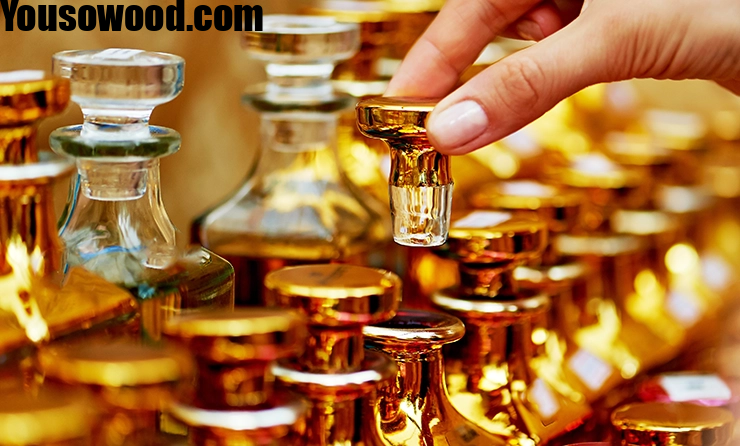
Creating a custom fragrance allows you to express your unique personality through scent. When you blend natural ingredients, you tap into centuries of botanical history and artistic tradition. People have always sought out pleasant aromas from nature to wear on their skin, and modern craft perfumery continues this timeless practice. Building a scent profile from scratch might seem complicated at first glance. However, understanding the basic building blocks makes the process highly rewarding and deeply personal.
Selecting the right ingredients is the most critical step in this creative journey. When you browse for essential oils for perfume making, you will notice a massive variety of scents ranging from bright citrus to deep woods. You might also encounter highly prized ingredients like oud oil, which offers an incredibly rich and complex aroma. The quality of these extracts directly impacts the longevity, balance, and depth of your final fragrance.
Sourcing pure essential oils for perfume making ensures your blends develop beautifully on the skin over time. Adding a touch of a premium ingredient like oud oil can elevate a simple mixture into a luxurious sensory experience. This guide covers everything you need to know about fragrance notes, selecting quality botanicals, and formulating a signature scent that lasts all day.
Understanding Fragrance Notes
A well-crafted perfume unfolds in stages. As the liquid warms on your skin, different aromatic molecules evaporate at varying rates. Perfumers categorize these stages into three main note classes: top, middle, and base.
Bright and Fleeting Top Notes
Top notes introduce your fragrance. They are the first scents you smell when you apply a perfume, and they usually evaporate within the first fifteen to thirty minutes. These oils have small, light molecules.
Citrus oils dominate this category. Bergamot provides a tart, elegant freshness that brightens any blend. Blood orange offers a sweeter, juicier aroma, while grapefruit brings a sharp, energizing tang. Other common top notes include pink peppercorn for a spicy kick and clary sage for a crisp, green introduction. These initial scents grab attention and create the first impression of your custom formulation.
The Heart of the Fragrance
Once the top notes fade, the middle notes emerge. These are often called heart notes because they form the core identity of the perfume. They linger for several hours, providing a smooth transition between the bright introduction and the deep finish.
Floral and spicy extracts usually make up the middle layer. Lavender essential oil provides a calming, herbaceous floral center. Ylang ylang adds a sweet, exotic floral richness that blends beautifully with many different profiles. Spices like cardamom and black pepper give the fragrance warmth and complexity. Geranium bourbon is another excellent choice, offering a rosy, slightly minty scent that balances sweet and earthy elements perfectly.
Deep and Lasting Base Notes
Base notes are the foundation of your fragrance. These large, heavy molecules take hours to evaporate, meaning they stay on your skin long after the top and middle notes have disappeared. They give the perfume depth and help anchor the lighter scents.
Woody and earthy ingredients thrive here. Cedarwood atlas delivers a dry, warm woodiness. Sri Lankan sandalwood heartwood oil provides a creamy, luxurious finish. Vetiver brings a smoky, deep earthiness to the blend. Resinous oils like frankincense and styrax resinoid offer rich, balsamic qualities that add mystery and elegance.
Selecting Quality Botanicals
The outcome of your project depends entirely on the quality of your raw materials. A botanical extract must possess aromatic strength and consistency to work effectively in a fine fragrance. Poorly distilled or diluted products will result in a flat, weak perfume.
Suppliers like Aromology focus on providing refined, safety-certified extracts. They source specific oils from their native regions to ensure optimal scent profiles. For instance, their premium bergamot comes from Italy, their green hojari frankincense hails from Oman, and their rosewood is a certified Brazilian biodiversity product. When shopping for ingredients, always look for suppliers who disclose the country of origin and extraction method. Molecular distillations and CO2 extracts often yield a much cleaner, more vibrant scent compared to standard steam distillation.
The Role of Fixatives in Scent Longevity
One of the biggest challenges beginners face is getting their fragrance to last. Natural blends tend to fade faster than synthetic ones. To counteract this, perfumers use fixatives.
Fixatives are base notes that slow down the evaporation rate of the lighter top and middle notes. They bind the fragrance together and extend its life on the skin. Heavy, viscous materials like labdanum resinoid, patchouli, and vetiver act as excellent fixatives. Even if you want a bright citrus perfume, you must include a small amount of a fixative to anchor the scent. A drop of cedarwood or olibanum coeur can provide this anchoring effect without overpowering the delicate citrus aromas.
Balancing Aromatic Profiles
Creating a harmonious blend requires a thoughtful approach to proportions. A standard guideline for beginners is the 30-50-20 rule. This means your blend should consist of 30 percent top notes, 50 percent middle notes, and 20 percent base notes. While this is not a strict law, it provides a solid framework for your first few attempts.
Start by choosing your core concept. If you want a fresh, earthy scent, you might select bergamot and grapefruit for the top, lavender for the middle, and patchouli for the base. If you prefer something warm and spicy, pink peppercorn, cardamom, and sandalwood would make an excellent combination.
Write down every drop you add to your mixing bottle. Sometimes a single drop of a powerful ingredient like cypriol nagarmotha can completely alter the direction of the fragrance. Keeping meticulous notes allows you to recreate successful blends and learn from the ones that did not work out.
Resting and Maturing Your Blend
Patience plays a vital role in natural perfumery. When you first mix your ingredients, the scent might seem disjointed or harsh. The aromatic molecules need time to bind together and settle.
Store your freshly mixed formulation in a dark glass bottle away from direct sunlight and heat. Let it rest for at least two weeks before passing final judgment. During this aging process, the rough edges will smooth out, and the individual notes will meld into a single, cohesive fragrance. You will be surprised by how much the scent profile improves after a few weeks of resting.
Start Blending Your Signature Fragrance
Formulating your own scent from natural botanicals is an engaging way to explore the world of aromatics. By understanding the function of different scent notes and investing in high-quality raw materials, you set yourself up for a successful creative project. Take your time researching specific botanical profiles, experiment with small test batches, and always remember to document your formulas. With a little practice and patience, you will soon be wearing a unique, beautifully balanced fragrance that you crafted entirely yourself.
Disclaimer
The information provided in this article is for educational and informational purposes only and is not intended as professional, medical, or safety advice. Essential oils and botanical extracts are highly concentrated substances that may cause skin irritation, allergic reactions, or other adverse effects if used improperly. Always perform a patch test, follow recommended dilution guidelines, and consult a qualified professional or certified aromatherapist before applying any essential oils to the skin. The quality, safety, and effects of essential oils may vary depending on the source and individual sensitivities. References to specific ingredients or suppliers are for informational purposes only and do not constitute an endorsement. Always verify product quality, safety certifications, and usage instructions before use.