
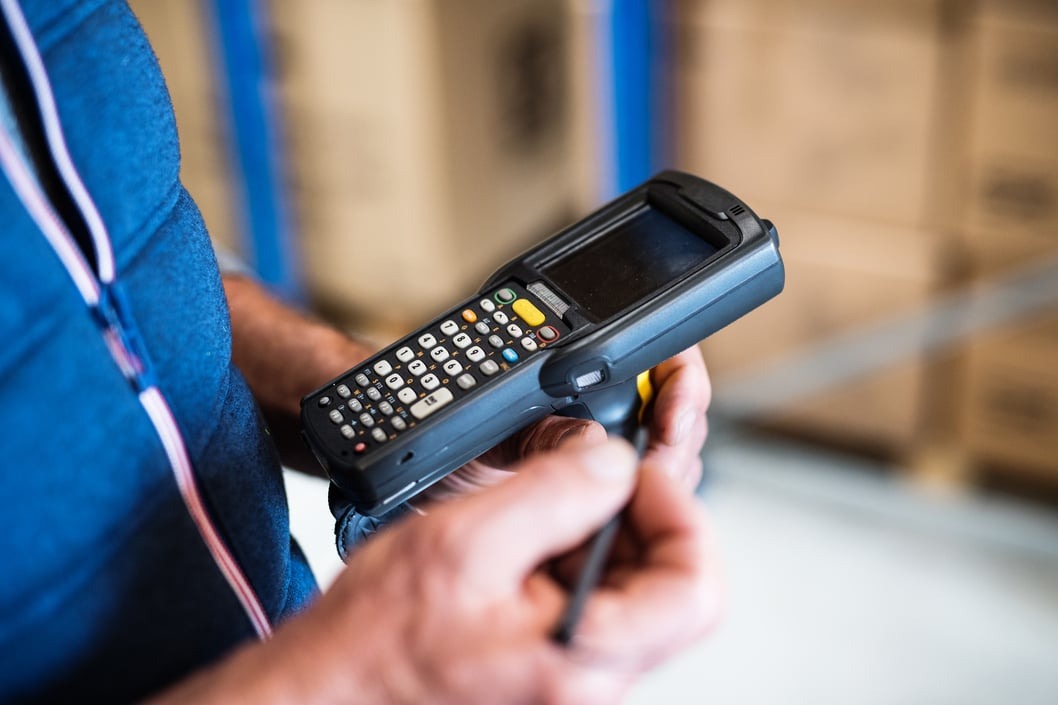
Medication administration errors are a significant concern in healthcare, with the potential to cause patient harm. To mitigate these risks, hospitals have increasingly adopted Barcode Medication Administration (BCMA) technology. This system automates the verification process, helping to ensure the “five rights” of medication administration: the right patient, right medication, right dose, right route, and right time.
The process is straightforward. A clinician scans the barcode on a patient’s identification wristband and the barcode on the medication. The BCMA system then cross-references this information with the electronic health record (EHR). This simple action confirms the patient’s identity and verifies that the medication matches the prescription, significantly reducing the chance of human error before a dose is administered. While the concept is powerful, real-world implementation reveals a more complex picture. The success of BCMA systems hinges on how well they integrate into demanding hospital environments and complex clinical workflows. Challenges often arise, impacting both adoption rates and the technology’s effectiveness in promoting patient safety.
The Role of Barcode Medication Administration in Patient Safety
Studies show that despite the clear safety benefits, compliance with BCMA systems can be inconsistent. Policy deviations, or workarounds, are common as staff navigate the realities of a busy ward. These workarounds often bypass the system’s core safety features, creating new risks.
Challenges and Deviations in BCMA Implementation
One of the most cited issues is the disruption to established nursing workflows. Some BCMA systems rely on large, bulky computers on wheels (COWs) that are difficult to maneuver in patient rooms. This can lead to nurses scanning medications away from the patient’s bedside, undermining the final identity check. The time-consuming nature of some systems also leads to user dissatisfaction, with staff sometimes forgoing scanning entirely during busy periods.
Workflow Disruptions and Workarounds
Technical glitches and environmental factors further complicate BCMA use. Common technological problems include:
- Unreadable or missing barcodes on medication packaging.
- Malfunctioning or unavailable Mobile Scanners.
- System software that is slow, freezes, or requires excessive clicking.
- Poor battery life in mobile hardware.
Environmental aspects also play a role. Medication rooms located far from patient areas can prolong administration rounds if a nurse needs to retrieve a missing item. In some cases, patient drawers on COWs are too small to hold all necessary medications, such as inhalers or infusion bags, leading to dispensing omissions.
Organizational and Human Factors
Organizational context heavily influences BCMA compliance. Research has shown that scanning rates often decline over time, particularly on busy wards with high patient turnover. Factors such as unclear policies, a lack of staff training, and a culture where raising concerns about technology is difficult can lead to the normalization of workarounds. The formulation of a medication can also affect scanning; oral tablets and capsules are often scanned more consistently than liquids or ointments.
The Positive Impact of Mobile Scanners on Medication Verification
Despite these significant challenges, the evidence confirms that BCMA systems, when used correctly, are effective at preventing medication errors. The key is to bridge the gap between system design and clinical reality. This is where modern hospital mobility and purpose-built devices make a critical difference.
Reducing Medication Errors
Even with inconsistent use, BCMA systems act as a crucial safety net. Analysis of scan-mismatch alerts—warnings generated when the system detects an error—reveals their value. In one study, 37% of these alerts resulted in a change in user action, preventing a potential error. Alerts for “wrong patient wristband scanned” or “wrong patient’s order” are particularly effective at averting serious mistakes.
Enhancing Workflow with Purpose-Built Devices
Many of the barriers associated with older BCMA setups are addressed by the new generation of healthcare Mobile Scanners computers. Unlike consumer-grade phones or tablets, these devices are designed specifically for clinical environments. Their disinfectant-ready casings withstand frequent cleaning with hospital-grade wipes, and their sealed designs prevent the buildup of contaminants.
These mobile scanners streamline the verification process by integrating a high-performance scan engine directly into the device. This allows nurses to quickly and accurately read barcodes on wristbands and medications, even those that are curved or worn. Lightweight designs replace cumbersome carts, enabling true bedside care. Features like hot-swappable batteries ensure devices remain operational throughout long shifts, and a purpose-built mobile computer offers the flexibility and security that modern hospitals require.
Sustaining Compliance and Improving System Use
Achieving the full safety benefits of BCMA technology requires more than just advanced hardware. It demands a sustained organizational commitment to integrating the system into daily practice effectively.
Quality Improvement Initiatives
Evidence suggests that locally led quality improvement (QI) initiatives can dramatically improve and sustain scanning compliance. When senior nurses lead campaigns to promote scanning, open dialogue about issues, and provide regular feedback to their teams, compliance rates can increase significantly. These initiatives help create a culture of safety where technology is viewed as a supportive tool rather than a burden.
The Importance of System and Device Design
Ultimately, the technology must fit the workflow, not the other way around. Hospitals should risk-assess their policies before implementation and make decisions that integrate technology smoothly. This includes redesigning processes and selecting hardware that is mobile, efficient, and user-friendly. Replacing cumbersome COWs with lightweight carts and mobile devices can create a better experience for nurses and improve patient safety.
By combining well-designed mobile technology with dedicated organizational support, hospitals can overcome the common barriers to BCMA adoption. This integrated approach ensures that barcode scanning becomes a seamless part of the medication administration process, protecting patients from preventable harm and empowering clinicians to provide safer, more efficient care.
Disclaimer
The information provided in this article, “Enhancing Patient Safety with Mobile Scanners in Medication Administration,” is intended for informational and educational purposes only. It does not constitute medical advice, clinical guidance, or a substitute for professional judgment, institutional policies, or regulatory standards.
While the article discusses Barcode Medication Administration (BCMA) systems, mobile scanners, and related healthcare technologies, implementation practices, outcomes, and compliance requirements may vary based on clinical settings, organizational policies, local regulations, and patient-specific factors. Healthcare professionals should rely on their own training, experience, and institutional protocols when making decisions related to patient care and medication administration.