
Introduction
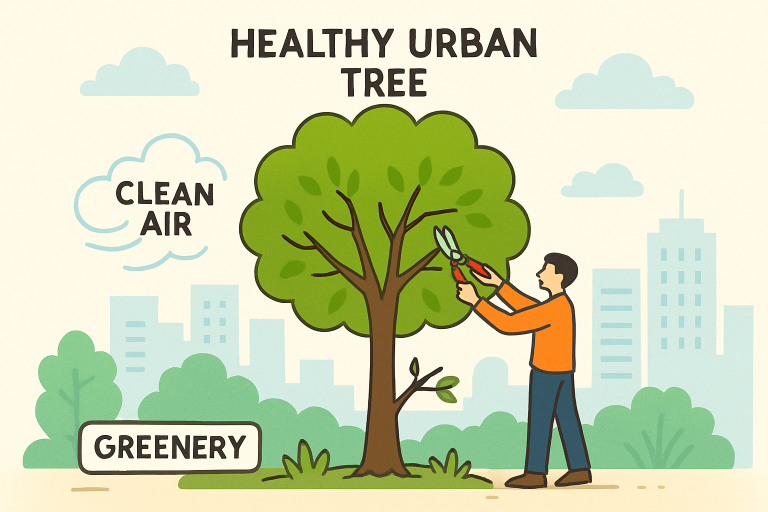
Urban trees serve a much greater purpose than simply beautifying city streets and parks. They are essential to a city’s infrastructure by supporting the environment, public health, and local communities. Urban trees require careful attention and regular maintenance to thrive. Pruning and maintenance not only ensure their longevity but also enhance the benefits they provide to residents, including cleaner air and safer pathways. In this context, seeking professional support, such as that from Fielding Tree Care, is critical to maintaining the health and safety of urban trees.
Investing in proper care for urban trees can transform a city’s landscape, boost the local ecosystem, and foster a more enjoyable living environment. From improving air quality to reducing the risk of falling branches during storms, routine tree maintenance is a proactive approach that municipalities and homeowners alike should prioritize for a more sustainable urban future.
Enhancing Public Safety Through Pruning
Regular pruning is a vital aspect of tree care that directly impacts public safety. Dead, diseased, or weak branches can break and fall unexpectedly, posing a serious risk to pedestrians, vehicles, homes, and utility infrastructure. Urban areas with high foot and vehicle traffic are especially vulnerable, making systematic pruning essential. By removing hazardous limbs, cities can significantly decrease the likelihood of accidents and property damage during storms and high winds.
Additionally, uncontrolled growth can obstruct signage, sidewalks, and roadways. When trees are not pruned regularly, their branches may block critical views of traffic or encroach on public pathways, creating unnecessary risks for residents and visitors. Consistent trimming helps maintain clear sight lines and unobstructed access for everyone.
Improving Air Quality and Cooling Urban Areas
Healthy, well-cared-for trees function as natural air filters, capturing pollutants such as ozone, carbon monoxide, nitrogen oxides, and particulate matter. Through photosynthesis, trees absorb carbon dioxide and produce oxygen, thereby improving air quality in densely populated regions. In fact, research from the U.S. Environmental Protection Agency confirms that green infrastructure, such as urban trees, can significantly reduce airborne pollutants and improve overall community health.
Urban heat islands, common in cities, trap heat, leading to substantially higher temperatures than in nearby rural areas. Strategic tree maintenance and placement provide crucial shade, lowering surface temperatures and reducing heat stress for residents. Properly cared-for trees also cool surrounding areas through transpiration, the process of releasing water vapor, which can make a measurable difference during heat waves.
Supporting Biodiversity and Wildlife Habitats
Urban trees are not just valuable for humans; they also offer essential shelter, food, and nesting opportunities for wildlife. Birds, pollinators, and beneficial insects depend on healthy trees for their survival. Pruning supports healthier growth, reduces dense canopies that inhibit air circulation, and prevents the spread of disease, fostering thriving microhabitats within city landscapes.
Maintaining urban biodiversity strengthens ecosystems and increases the resilience of city Healthier Urban Environments to pests and climate stress. Balanced canopies and regular care encourage greater species diversity, making cities more vibrant and ecologically sustainable.
Promoting Mental Well-Being
Access to green spaces with healthy, well-tended trees provides a crucial escape from the noise and crowds of urban living. Numerous studies, such as those highlighted by the Harvard T.H. Chan School of Public Health, have shown that spending time in nature helps reduce anxiety and depression while encouraging physical activity and social cohesion.
Well-maintained urban forests and parks facilitate recreation, exercise, and relaxation. These spaces not only contribute to improved well-being but also foster stronger connections among residents by serving as gathering places for individuals and groups.
Preventing Soil Erosion and Managing Stormwater
Healthy tree root systems anchor soil, minimizing erosion and reducing the risk of landslides on slopes or embankments. When trees are pruned and cared for appropriately, their root systems can expand more effectively and hold soil in place. This stability is vital for urban infrastructure, especially in areas prone to runoff and flooding during heavy rains.
Urban trees also play an important role in stormwater management. Their canopies intercept rainfall, reducing the amount of direct runoff. Additionally, their roots absorb and filter water, capturing harmful pollutants before they reach rivers and lakes. This natural filtration protects water quality and decreases the burden on municipal drainage systems.
Economic Benefits of Tree Maintenance
Investing in tree care yields substantial financial advantages in urban Healthier Urban Environments. Properties with mature, healthy trees often have higher values and attract more interested buyers or renters, thanks to enhanced curb appeal and the cooling benefits trees provide. Businesses located along tree-lined streets may also see increased customer traffic and sales due to the inviting ambiance created by green surroundings.
The economic benefits extend beyond property values. Well-placed trees lower energy costs by providing shade in summer and acting as windbreaks in winter, reducing the need for air conditioning and heating. Moreover, preventive tree maintenance is more cost-effective over time than removing hazardous trees or repairing storm damage.
Community Involvement in Tree Care
Community-driven tree care initiatives are essential for the success and sustainability of Healthier Urban Environments forestry programs. When residents actively participate in planting, pruning, and maintaining local trees, they build a strong sense of ownership and pride. These efforts not only beautify neighborhoods but also connect people with their environment, encouraging civic engagement and long-term stewardship.
Many cities have launched volunteer programs and educational campaigns to foster community involvement in tree care. Residents can take part in workshops, tree-planting events, and neighborhood clean-ups, thereby ensuring collective responsibility for maintaining a healthy, thriving urban forest.
Conclusion
The regular pruning and maintenance of urban trees are fundamental steps toward building greener, healthier cities. These essential practices alleviate safety risks, improve air and water quality, enhance well-being, and provide economic returns for property owners and communities. By prioritizing proper tree care and seeking specialized support when needed, cities can enjoy sustainable and vibrant Healthier Urban Environments for generations to come.
Disclaimer
The information provided in this article is for general educational and informational purposes only. While every effort has been made to ensure the accuracy and reliability of the content, it should not be considered professional arboricultural, environmental, legal, or safety advice. Tree care practices, urban forestry management, and maintenance requirements can vary depending on location, tree species, local regulations, and site-specific conditions.
Readers are encouraged to consult certified arborists, qualified tree care professionals, or relevant municipal authorities before undertaking any pruning, maintenance, or tree management activities. Any references to specific organizations or service providers are for illustrative purposes only and do not constitute an endorsement or recommendation.