
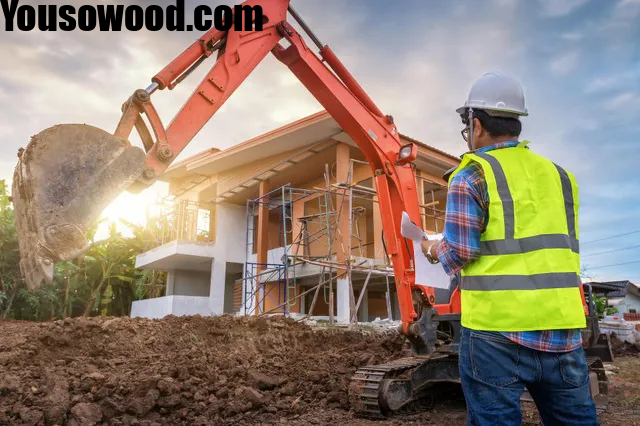
Before a new building rises from the ground, there is often an important first step that many people overlook: demolition. Removing an existing structure safely and efficiently is essential for preparing land for new construction. Whether it’s an old home being replaced by a modern residence, a commercial property making way for a new office building, or an industrial facility being upgraded, demolition clears the path for new development.
While it may seem like demolition simply involves tearing down buildings, the process is actually carefully planned and managed. Professional demolition teams follow strict procedures to ensure safety, environmental responsibility, and efficient site preparation.
Understanding how demolition works can help property owners and developers see why it plays such a crucial role in construction projects.
Why Demolition Is an Important First Step
When people think about construction, they often imagine cranes, concrete foundations, and rising steel frames. But before those stages begin, the site must be properly prepared. In many cases, that means removing an existing structure.
Demolition ensures that outdated, unsafe, or unusable buildings are removed, allowing new construction to begin on a clean, stable site.
For example, imagine a developer planning to build a new apartment complex on land where an old warehouse currently stands. The warehouse must first be dismantled and removed before any groundwork can begin.
Similarly, homeowners who purchase older properties often choose to demolish existing houses before building modern homes that better suit their needs.
Demolition also allows construction teams to remove damaged structures after fires, storms, or structural deterioration. This helps prevent potential safety hazards and prepares the land for future use.
In simple terms, demolition creates the foundation for progress by clearing space for new projects.
The Planning Stage of Demolition
Contrary to what many people assume, demolition does not begin with heavy machinery arriving at the site. The process actually starts with detailed planning.
Professional demolition contractors first evaluate the structure that needs to be removed. They assess the building’s size, materials, structural condition, and surrounding environment.
This evaluation helps determine the safest and most efficient demolition method.C
Contractors also check for hazardous materials in older buildings. Materials such as asbestos or lead-based paint must be handled carefully to protect workers and the environment.
Once these factors are identified, demolition professionals create a plan that outlines how the building will be dismantled, how debris will be managed, and how the site will be secured during the process.
The process of demolition involves controlled dismantling of structures, often using specialized equipment and techniques designed to ensure safety and efficiency.
Permits and approvals are typically required before demolition begins. These permits ensure that local regulations and safety guidelines are followed throughout the project.
This planning phase is essential for preventing accidents and ensuring the demolition proceeds smoothly.
How the Demolition Process Works
Once the planning phase is complete and permits are approved, the physical demolition process can begin.
The first step usually involves preparing the site. This includes disconnecting utilities such as electricity, water, and gas. Doing so prevents potential hazards during the demolition.
Next, safety barriers and protective zones are established around the site. These measures protect nearby buildings, pedestrians, and workers from debris.
The demolition itself may involve several different techniques depending on the structure being removed.
For smaller residential buildings, contractors often use excavators and other heavy equipment to carefully dismantle the structure piece by piece.
Larger commercial or industrial buildings may require specialized machinery designed to break apart concrete, steel, and other structural materials.
In some cases, selective demolition is used. This method removes specific parts of a building while preserving others. For example, a renovation project might require removing interior walls while keeping the exterior structure intact.
Throughout the process, debris is sorted and managed to ensure that materials such as metal, concrete, and wood are handled responsibly.
Managing Waste and Recycling Materials
One of the key responsibilities of demolition contractors is properly managing construction waste.
Demolition projects generate large amounts of debris, including concrete, steel, wood, and insulation materials. Instead of sending everything to landfills, many demolition teams focus on recycling as much material as possible.
For example, metal components such as steel beams can often be recycled and reused in future construction projects. Concrete can be crushed and repurposed as aggregate for roads or foundations.
Wood from older buildings may also be reclaimed and reused in furniture, flooring, or decorative construction materials.
This approach helps reduce environmental impact while supporting sustainable construction practices.
Waste management also includes safely handling hazardous materials that may be present in older buildings. Proper disposal ensures that these materials do not pose risks to workers or nearby communities.
By carefully managing debris and recycling materials, demolition teams contribute to environmentally responsible construction practices.
Preparing the Site for New Construction
Once the structure has been removed and debris cleared away, the site preparation process continues.
The land must be leveled and inspected to ensure it is ready for construction. In many cases, demolition contractors remove underground foundations, pipes, or structural elements that could interfere with future building work.
The site may also be compacted or graded to create a stable base for new foundations.
This preparation stage is critical because construction teams rely on a stable surface to build safely and efficiently.
Developers, property owners, and builders often rely on professional demolition services to ensure that the land is fully cleared and ready for the next phase of construction.
Those looking for more information about professional demolition and site preparation services can click here to explore resources related to demolition planning and project preparation.
Understanding how demolition companies manage these steps can help property owners better plan their construction projects.
Supporting Urban Development and Growth
Demolition plays a major role in urban development and community growth. Cities constantly evolve as older buildings are replaced with modern infrastructure, new housing developments, and improved commercial spaces.
For example, an outdated shopping center might be demolished to create a mixed-use development that includes retail stores, offices, and residential apartments.
Similarly, an aging industrial facility might be replaced with a modern logistics hub designed to support growing supply chain needs.
These transformations are only possible when demolition is performed safely and efficiently.
Professional demolition teams help ensure that these changes occur without unnecessary risks to workers, residents, or the surrounding environment.
Building the Future on a Strong Foundation
While demolition may seem like the end of a building’s life, it actually marks the beginning of something new. By safely removing outdated structures and preparing sites for redevelopment, demolition contractors enable new projects to move forward.
From residential homes and office buildings to large industrial facilities, every new structure begins with careful planning and site preparation.
Understanding the demolition process helps property owners appreciate the importance of this first step in construction. With proper planning, expertise, and safety measures, demolition clears the way for future development while protecting people and the environment.
In the world of construction, sometimes progress begins by carefully taking something apart so that something better can be built in its place.