
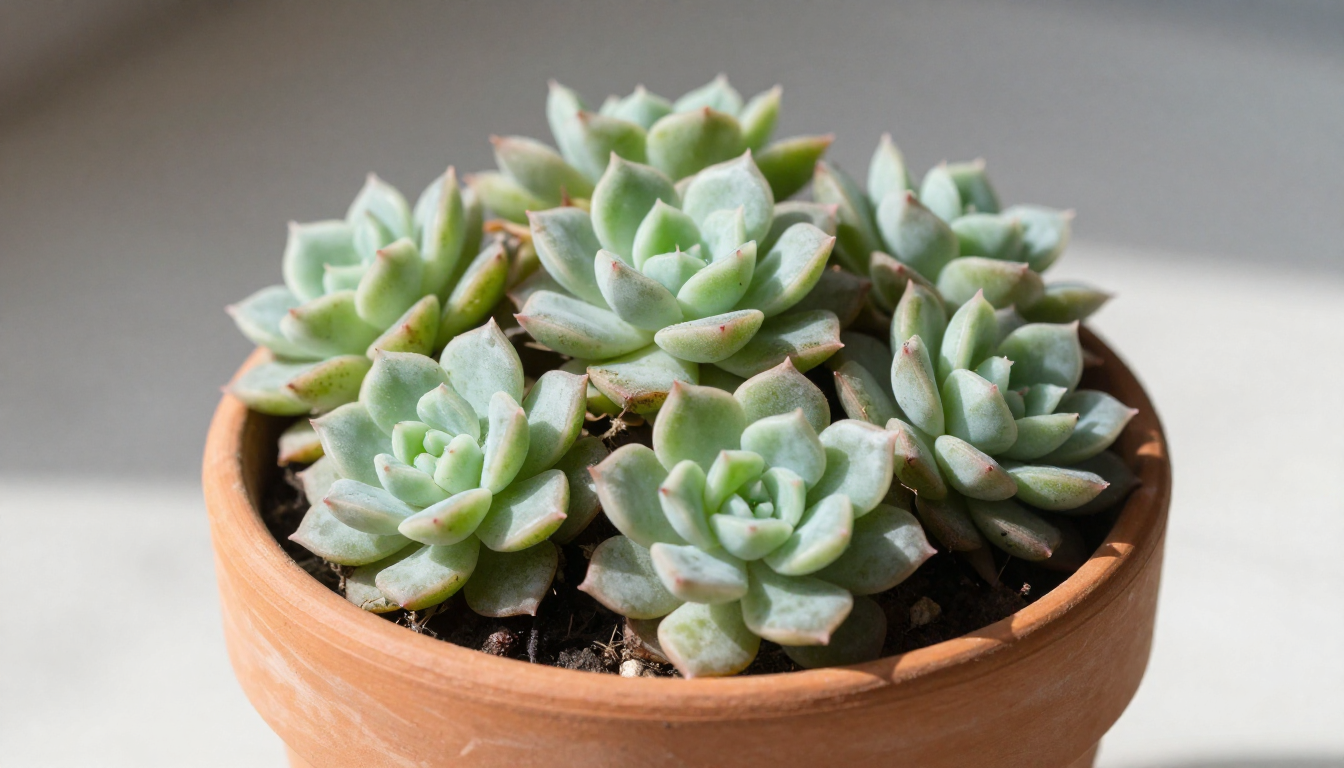
Succulent plants are defined by their ability to store water in specialized tissues. This adaptation allows them to survive in arid and semi-arid environments where water is scarce. The word originates from the Latin succos, meaning juice or sap, reflecting the water-rich tissues that make these plants resilient and hardy.
In recent years, they have gained immense popularity for their decorative versatility. They can fit in small containers on office desks, form centerpiece terrariums, or create sprawling outdoor gardens. Their diverse forms range from tiny “living stones” to tall, spiny cacti, making them a unique addition to any space.
What makes them truly remarkable is their combination of beauty, adaptability, and ease of care. Unlike many other plants, they can survive periods of neglect, yet reward attention with lush, vibrant growth. This guide aims to educate readers on the varieties, proper care techniques, creative display ideas, and the benefits of having these plants in your home.
History and Evolution of Succulents
They have evolved over millions of years to thrive in harsh and water-limited environments. Their survival strategies make them some of the most fascinating plants on Earth.
Evolutionary Adaptations
- Water Storage Tissues:
They store water in their leaves, stems, and roots, enabling survival during long periods without rain. - Thickened Leaves, Stems, and Roots:
Morphological adaptations such as fleshy leaves, ribbed stems, and swollen roots maximize water storage while reducing the surface area exposed to the sun, which minimizes water loss. - Crassulacean Acid Metabolism (CAM):
Many succulents use CAM photosynthesis, a process where carbon dioxide is absorbed at night and stored as organic acids. During the day, with stomata closed to conserve water, the stored carbon is used for photosynthesis. This adaptation increases water efficiency and allows survival in extreme heat.
Geographic Origins and Global Distribution
They are found on every continent except Antarctica, thriving in climates ranging from deserts to high-altitude regions. Major diversity can be observed in:
- Americas: Native habitat for most cacti and other stem succulents.
- Africa: Rich in species such as aloes, euphorbias, and lithops.
- Asia: Hosts species in arid zones and mountainous areas.
Some species are even cold-tolerant, surviving frost and wet winters, while others thrive in saline soils along coastal areas. This global adaptability is a testament to the resilience and diversity of them.
Types of Succulents
They can be categorized based on where they store water. Understanding these types helps gardeners select the right species for their environment and aesthetic goals.
Leaf
- Water Storage: Fleshy leaves.
- Examples: Aloe, Haworthia, Lithops, Sempervivum.
- Special Features:
- Translucent leaf windows allow light to penetrate deep tissues.
- Waxy cuticles prevent water loss.
- Translucent leaf windows allow light to penetrate deep tissues.
Leaf plants are popular for terrariums, tabletops, and decorative indoor arrangements due to their rosette shapes and vibrant colors.
Stem Succulents
- Water Storage: Thickened stems; leaves reduced or absent.
- Examples: Most cacti, Euphorbia obesa, Stapelia.
- Features:
- Ribbed stems expand to accommodate water after rare rain.
- Cacti have specialized areoles from which spines, flowers, and new growth emerge.
- Ribbed stems expand to accommodate water after rare rain.
Stems are often dramatic statement pieces in indoor or outdoor spaces.
Root Succulents
- Water Storage: Underground roots; stems and leaves may be deciduous during drought.
- Examples: Fockea capensis, Pterocactus kunzei, Peniocereus viperinus.
- Ideal for gardens where minimal above-ground maintenance is preferred.
Caudiciform
- Water Storage: Thickened roots and stems.
- Examples: Calibanus hookeri, Pachypodium, Tylecodon.
- Unique swollen bases create ornamental appeal; leaves may be seasonal or long-lived.
Halophyte
- Adaptation: Survive in salty soils or coastal environments.
- Examples: Salicornia, Sarcocornia perennis.
- Sequester or excrete salt, demonstrating remarkable tolerance to environmental stress.
Choosing the Right Succulent
Choosing the right ensures healthy growth and enhances home décor. Consider:
- Light Requirements: Full sun, partial sun, or low-light tolerance. Match the plant’s needs to your space.
- Size and Growth Habit: Small tabletop plants, larger floor specimens, or wall-mounted varieties.
- Color and Aesthetics: Green, red, pink, purple, or blue foliage; combine colors for visual interest.
- Maintenance Needs: Low-maintenance species like jade plants suit busy lifestyles, while delicate types may require extra attention.
Proper selection sets the foundation for a thriving succulent collection.
Care and Maintenance
While succulents are low-maintenance, proper care ensures they thrive.
Watering
- Follow the soak-and-dry method: water thoroughly, then let soil dry completely.
- Adjust for seasons: more frequent watering in spring and summer, less in dormancy.
- Avoid overwatering to prevent root rot.
Soil Requirements
- Use well-draining soil: a mix of sand, gravel, perlite, and organic matter.
- Proper drainage mimics arid habitats and prevents root disease.
Light Requirements
- Most need bright, indirect sunlight.
- Supplement with grow lights if natural light is insufficient.
- Rotate plants periodically for balanced growth.
Temperature and Humidity
- Ideal range: 15–27°C (60–80°F).
- Protect from prolonged cold and wet conditions.
- Ensure good air circulation to prevent fungal issues.
Repotting and Pruning
- Repot when roots outgrow the container or soil degrades.
- Trim dead or damaged leaves to encourage new growth.
- Handle roots carefully to prevent stress.
Common Pests and Diseases
Succulents are hardy but not immune.
Pests
- Mealybugs, aphids, spider mites.
- Signs: white fuzzy spots, sticky residue, webbing.
- Treat with alcohol swabs, insecticidal soap, or neem oil.
Diseases
- Root rot from overwatering.
- Fungal infections from poor air circulation.
- Signs: yellowing leaves, brown spots, mushy texture.
- Remove affected parts and ensure well-draining soil.
Creative Ways to Display Succulents
They are highly versatile in decorative applications, indoors and outdoors.
Indoor Displays
- Terrariums and Glass Containers: Showcase soil layers and decorative elements.
- Wall-Mounted Planters and Vertical Gardens: Save floor space and create living art.
- Hanging Pots and Macramé Plant Hangers: Ideal for trailing varieties and corner spaces.
- Repurposed Containers: Teacups, jars, and crates add personality and sustainability.
Outdoor Displays
- Patio or Garden Arrangements: Group multiple species for vibrant displays.
- Raised Beds and Vertical Walls: Efficient use of space, controlled soil drainage.
- Rock Gardens and Succulent Mosaics: Mimic natural habitats or create artistic patterns.
- Combining Colors, Shapes, and Sizes: Adds depth, texture, and visual interest.
Troubleshooting and Reviving Succulents
Signs of Unhealthy
- Wilting, stretching, discoloration, soft leaves.
Solutions
- Adjust watering practices.
- Move to proper light conditions.
- Treat pests or fungal infections.
- Repot with fresh, well-draining soil.
Patience and consistent care often revive even struggling plants.
Benefits of Having Succulents
- Air Purification: Remove toxins, improve indoor air quality.
- Low Maintenance: Minimal care and water requirements.
- Stress Relief: Watching plants grow enhances mental well-being.
- Decorative Versatility: Fit seamlessly into any interior or exterior design.
Popular Succulent Varieties
| Succulent Variety | Key Features / Uses |
| Aloe Vera | Medicinal properties; decorative indoor plant |
| Echeveria | Colorful rosette shapes; ideal for indoor arrangements |
| Haworthia | Low-light tolerant; slow-growing and easy to care for |
| Jade Plant (Crassula ovata) | Hardy and long-lived; symbolic of good luck |
| Lithops (“Living Stones”) | Camouflaged appearance; extremely drought-resistant |
| Cacti | Includes barrel cactus, prickly pear, and Christmas cactus; spiny and drought-tolerant |
Conservation and Environmental Considerations
Wild succulents face threats from habitat loss, urbanization, and overgrazing.
Sustainable Practices
- Buy from ethical nurseries.
- Propagate plants at home.
- Educate others about conservation.
These practices help protect biodiversity while allowing succulent enthusiasts to enjoy healthy plants.
Conclusion
Succulents combine beauty, resilience, and low-maintenance care, making them a perfect choice for any living space. From creative displays to health benefits and environmental contributions, these plants offer far more than meets the eye. By selecting the right varieties, understanding care requirements, and practicing sustainable gardening, anyone can cultivate a thriving they collection. Whether in a terrarium, hanging pot, or outdoor garden, they bring life, color, and tranquility into homes.
Embrace these fascinating plants, experiment with arrangements, and enjoy the many rewards they offer—both visually and environmentally.