
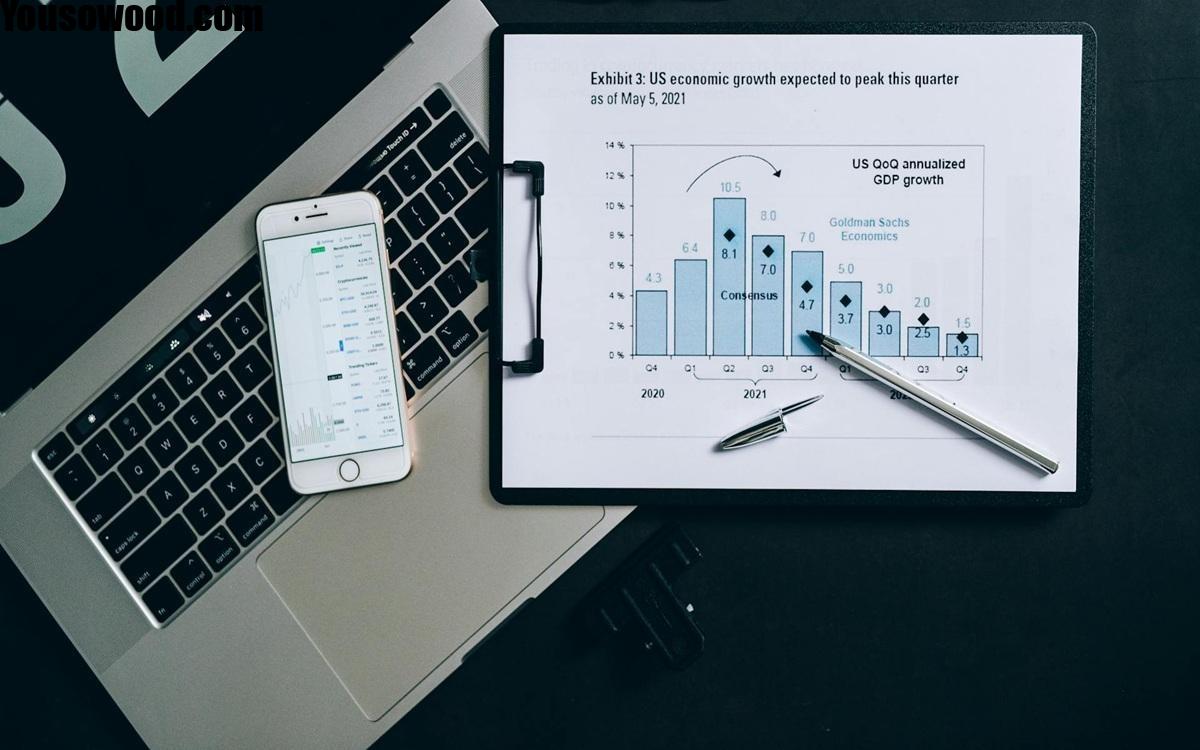
Gross Domestic Product has been debated for decades, yet it continues to play a central role in how economies are measured and understood. This article explores why GDP still matters, even as the global economy evolves in new and complex ways.
Understanding GDP in Today’s Context
At its core, GDP measures the total value of goods and services produced within a country over a specific period. While many people ask what is GDP, the concept is fairly straightforward, even if its implications are wide-reaching. It serves as a snapshot of economic activity, helping governments, businesses, and investors understand whether an economy is growing, shrinking, or standing still.
In today’s global economy, GDP remains one of the most widely used indicators because it provides a standardized way to compare countries. Whether analyzing the United States, Germany, or emerging markets, GDP offers a common language. This consistency is especially important in a world where trade, capital flows, and supply chains are deeply interconnected.
At the same time, the context around GDP has changed. Digital services, remote work, and intangible assets such as software and intellectual property now make up a larger share of economic output. Despite these shifts, GDP continues to adapt, incorporating new forms of value creation over time.
A Benchmark for Economic Performance
One of the main reasons GDP still matters is its role as a benchmark. Policymakers rely on GDP growth rates to guide decisions on interest rates, taxation, and public spending. Central banks, for example, often look at GDP trends alongside inflation to determine whether to tighten or loosen monetary policy.
For businesses, GDP growth can signal demand conditions. A growing economy usually means higher consumer spending, which can lead to increased sales and expansion opportunities. On the other hand, slowing GDP growth may prompt companies to become more cautious, cutting costs or delaying investments.
Investors also watch GDP closely. Strong economic growth can boost corporate earnings and stock markets, while weak growth can have the opposite effect. Although GDP is not the only factor influencing markets, it remains a key piece of the puzzle.
The Limits of GDP
Despite its importance, GDP is far from perfect. One common criticism is that it does not capture the full picture of economic well-being. For example, GDP does not account for income inequality. An economy can show strong growth while a large portion of the population sees little benefit.
Another limitation is that GDP ignores non-market activities. Household work, volunteer efforts, and informal economies often go uncounted, even though they contribute to overall welfare. Environmental costs are also largely excluded. Economic growth that comes at the expense of natural resources or increased pollution may still appear positive in GDP terms.
These limitations have led to the development of alternative measures, such as the Human Development Index and various well-being indicators. However, none have replaced GDP as the primary metric. Instead, they are often used alongside it to provide a more complete view.
GDP in a Globalized World
Globalization has made GDP even more relevant in some ways. As countries become more interconnected, understanding relative economic size and growth becomes essential. GDP helps explain trade relationships, investment flows, and geopolitical influence.
For example, larger economies tend to have greater influence in international institutions and negotiations. GDP also affects currency strength, as stronger economies often attract more foreign investment. In this sense, GDP is not just an economic measure but also a factor in global power dynamics.
At the same time, globalization has complicated GDP measurement. Multinational companies operate across borders, making it harder to determine where value is truly created. Digital services can be delivered from anywhere, further blurring traditional boundaries. Still, statistical agencies continue refining their methods to keep GDP relevant in this changing environment.
Why GDP Still Matters Moving Forward
Even with its flaws, GDP remains deeply embedded in how the world understands economic performance. It provides a clear, consistent, and widely accepted framework for measuring activity. While newer metrics offer valuable insights, they often lack the simplicity and global recognition that GDP provides.
Looking ahead, GDP is likely to evolve rather than disappear. Adjustments to better capture digital economies, sustainability, and quality of life are already underway. These improvements can help address some of the criticisms while preserving the strengths of the measure.
Ultimately, GDP still matters because it answers a fundamental question: how much economic activity is taking place. In a rapidly changing global economy, having a reliable baseline is more important than ever. By combining GDP with other indicators, decision-makers can gain a more balanced and informed view of the world economy.
Disclaimer
This article is intended for general informational purposes only and should not be considered financial, economic, or investment advice. While efforts have been made to ensure the accuracy of the information, economic data and interpretations can change over time and may vary by source. The author and publisher are not responsible for any decisions made based on this content. Readers are encouraged to consult qualified professionals for advice tailored to their specific circumstances.