
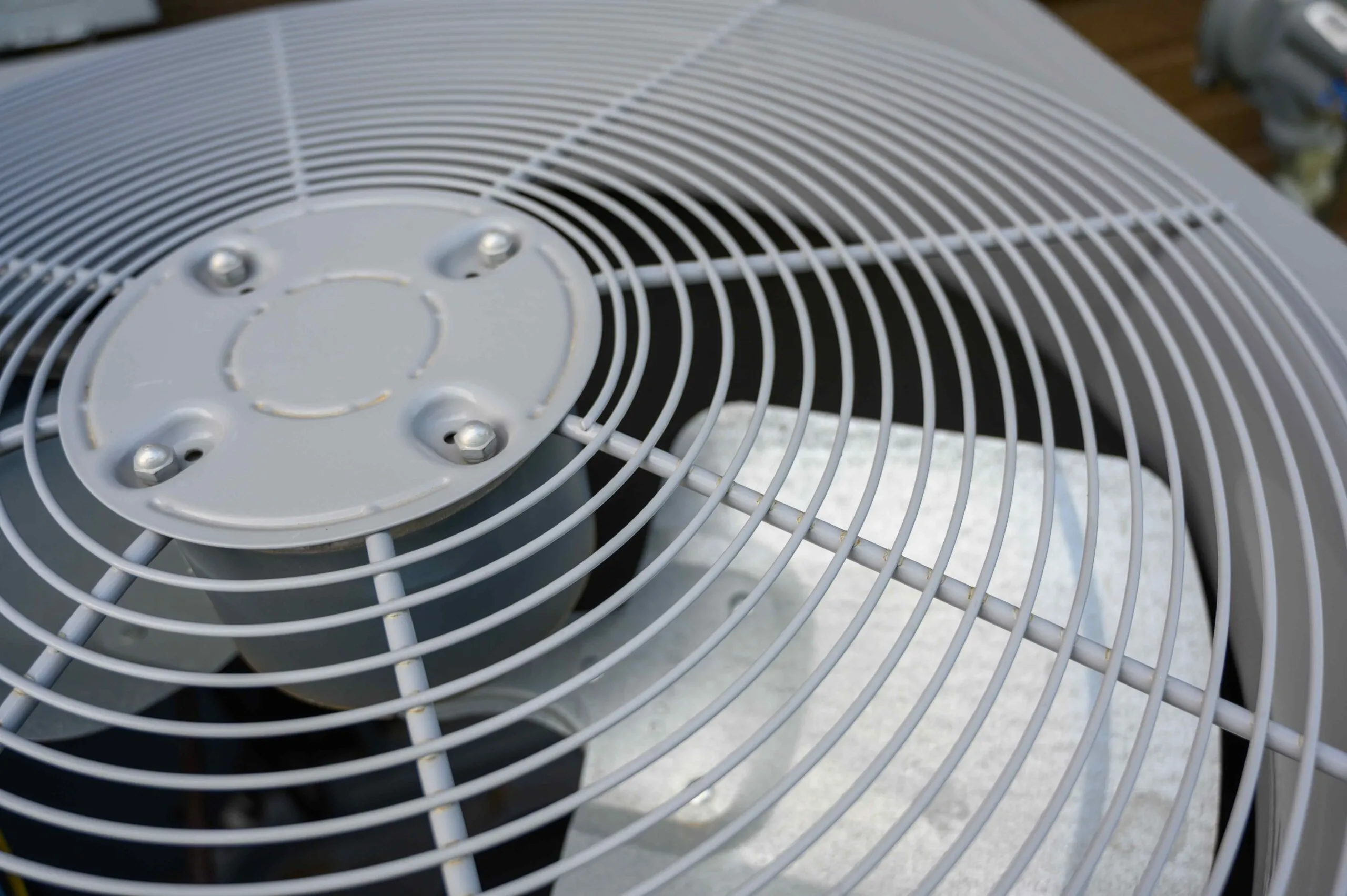
When the heat of summer peaks, a reliable central air conditioner is no longer a luxury—it is a necessity. However, as utility rates climb, homeowners are increasingly focused on how to stay cool without breaking the bank. This is where the SEER rating becomes the most important acronym in your HVAC vocabulary. Understanding this metric is the key to choosing a central AC that balances upfront costs with long-term savings.
What Is a SEER Rating?
SEER stands for Seasonal Energy Efficiency Ratio. In simple terms, it measures the cooling output of a central air conditioner over a typical cooling season divided by the total electric energy input during the same period.
Think of SEER like the “miles per gallon” (MPG) for your home. Just as a car with higher MPG uses less gas to travel the same distance, an efficient unit—such as a modern Della air conditioner—uses less electricity to provide the same amount of cooling.
Why SEER Ratings Matter
It ratings are directly tied to three critical factors:
- Operating Costs: A higher rating means lower monthly electricity bills.
- Environmental Impact: Efficient systems reduce your carbon footprint by consuming fewer resources.
- System Lifespan: High units often feature advanced components, like two-stage or variable-speed compressors, which suffer less wear and tear compared to basic models.
Currently, the U.S. Department of Energy mandates minimum SEER2 standards, which generally hover around 14 to 15. While these are the “entry-level” optios, high-performance models from brands like Della air conditioner can reach much higher ratings, providing a significant boost in both efficiency and quiet operation.
High vs. Low SEER: What’s the Difference?
When shopping for a central AC, you will notice a significant price gap between a 14 SEER and a 20 SEER unit.
- Low SEER (14-16): These units are more affordable upfront. They usually feature “single-stage” compressors, meaning they are either 100% on or 100% off.
- High SEER (18-25): These represent the cutting edge of central air conditioner technology. They often use variable-speed blowers that can adjust their output to match the exact cooling needs of your home, leading to superior dehumidification and more consistent temperatures.
The Financial Impact: Upgrading from an old 10-unit to a modern 20 SEER system can potentially cut your cooling costs by 50%. While the initial investment is higher, the “payback period” through energy savings often makes high-SEER units more economical over the life of the system.
Factors That Impact Real-World Performance
It is important to remember that a rating is a laboratory-tested maximum. In the real world, several factors can prevent your central AC from hitting its peak efficiency:
- Climate: If you live in a region with extremely long, humid summers, a high SEER rating is vital.
- Home Insulation: Even the most efficient central air conditioner will struggle if cool air is escaping through poor insulation or leaky ductwork.
- Installation Quality: A high SEER unit installed poorly or sized incorrectly for the home’s square footage may actually perform worse than a lower-rated unit installed perfectly.
Common SEER Rating Myths
One of the most common myths is that “higher SEER always means better.” While a 22 SEER unit is more efficient, it might not be the best choice for a vacation home use only in the winter. Efficiency must be balance with your specific usage habits and budget.
Another myth is that SEER alone determines comfort. While SEER measures efficiency, features like humidity control and airflow balance are what actually determine how “comfortable” the air feels on your skin.
Conclusion: Making the Right Choice
Choosing the right central air conditioner is a balancing act between your current budget and your future energy bills. A high SEER rating is a powerful tool for reducing long-term costs and improving home comfort, provide it is paired with professional installation and a well-insulat home.
When consulting with an HVAC contractor, always ask for a “cost-benefit analysis” to see how quickly the energy savings of a high-SEER model will offset the initial purchase price.
Disclaimer
This article is provided for informational and educational purposes only and should not be considered professional HVAC, financial, or energy-efficiency advice. SEER ratings, energy savings, installation requirements, and performance results may vary based on geographic location, climate conditions, home insulation, system sizing, and installation quality. Any references to specific brands are for illustrative purposes only and do not constitute endorsement or guarantee of performance. Before purchasing or installing a central air conditioning system, homeowners should consult with a licensed HVAC professional to obtain recommendations tailored to their specific property and needs. Always verify current local building codes, efficiency standards (including SEER2 requirements), and utility rebate programs, as regulations and incentives may change over time.