
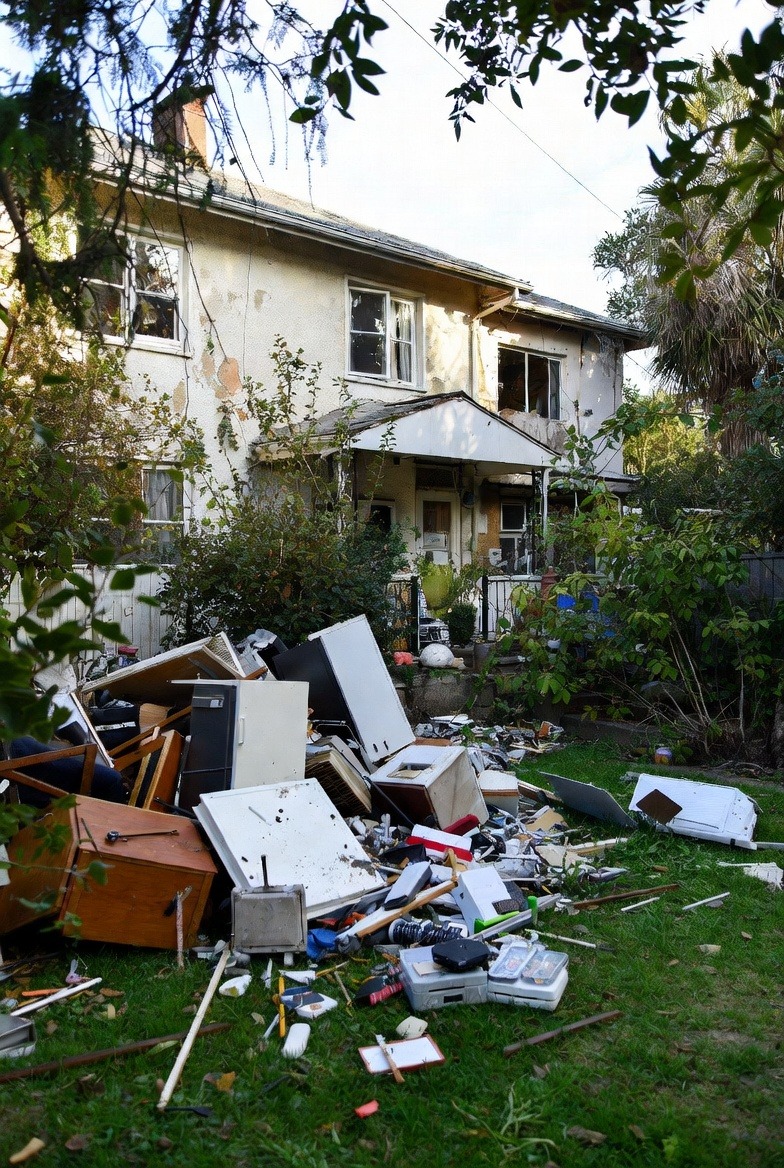
Dealing with the aftermath of a loved one’s death is emotionally challenging. When the property in question has been affected by hoarding, it adds layers of complexity that most families are not prepare for. Hoarding can range from mild clutter to extreme accumulation of items, creating health, safety, and logistical challenges.
This guide explains the risks, considerations, and why hiring a specialised team is essential for deceased estate cleanouts in hoarded properties.
What Is a Hoarded Property?
A hoarded property is one where belongings accumulate to the point that it interferes with normal living spaces. Hoarding is often link to emotional or psychological factors and can involve:
- Excessive collecting of items with perceived value
- Difficulty discarding items
- Clutter that blocks access to rooms or essential facilities
After death, family members often face the daunting task of clearing these properties while respecting legal and emotional boundaries.
Health and Safety Risks
Hoarded homes present significant health and safety risks. They aren’t just messy—they can be dangerous.
| Risk Type | Details |
| Physical Hazards | Piles of items can block exits, stairways, or hallways, increasing the risk of trips, falls, or injuries. |
| Pest Infestation | Rodents, insects, or other pests are common in hoarded properties, posing disease risks. |
| Structural Damage | Excessive weight or damp accumulation can damage floors, walls, and ceilings. |
| Fire Hazards | Clutter can obstruct fire exits and increase the likelihood of fires spreading rapidly. |
| Air Quality Issues | Dust, mold, and mildew can cause respiratory problems, particularly for those with asthma or allergies. |
Attempting to clear a hoarded property without proper precautions can lead to serious injuries or illness.
Biohazard Considerations
In addition to physical clutter, deceased estates can include biohazard risks, especially if the property has not been maintained:
- Decomposed food or organic waste can harbor bacteria
- Rodent droppings and urine can transmit diseases like Hantavirus
- Mold and fungi can trigger respiratory issues
- Human waste or medical items may require specialised handling
Improper handling of these hazards can pose serious legal and health consequences. It’s crucial to recognise when biohazard protocols are need.
Why Specialised Teams Are Essential
Clearing a hoarded property is not just about moving items — it requires experience, sensitivity, and legal compliance. Specialised teams provide:
- Safety Expertise
They know how to navigate piles safely, use personal protective equipment (PPE), and prevent injuries. - Biohazard Handling
Licensed operators manage hazardous materials according to local laws, preventing contamination or fines. - Emotional Sensitivity
These teams understand the emotional difficulty of sorting through a deceased loved one’s belongings and handle items respectfully. - Efficient Clearance
Hoarded properties can take days or weeks to clear manually. Specialised teams streamline the process using the right equipment, ensuring faster completion. - Responsible Disposal
Items are sort for recycling, donation, or disposal, minimising landfill waste while following environmental regulations.
For families in Australia, a trusted option is RubbishGo a licensed, insured team that specialises in fast, professional, and compassionate cleanouts.
Comparison: DIY vs Professional Hoarding Cleanup
| Aspect | DIY Approach | Professional Team |
| Time Required | Weeks or months | Often completed in 1–3 days, depending on volume |
| Health Risk | High | Minimised through PPE and training |
| Biohazard Handling | Risk of contamination | Certified and compliant with regulations |
| Emotional Stress | High | Staff trained to be respectful and supportive |
| Disposal & Recycling | Hard to manage | All items sorted and responsibly disposed of |
| Legal Compliance | Easy to overlook | Ensured through licensing and proper permits |
Step-by-Step Approach for Clearing a Hoarded Deceased Estate
Even with professionals, it’s helpful for families to understand the process:
- Assessment & Quote
Professionals inspect the property, estimate volume, and identify hazards. - Sorting
Items are categorised into:- Keep (family treasures, valuables)
- Donate (usable items for charity)
- Recycle
- Dispose
- Removal & Disposal
Teams bring equipment such as trolleys, skip bins, and PPE to handle heavy or hazardous items safely. - Deep Clean & Sanitisation
After removal, properties are often disinfected and deodorised, making them safe for resale or rental. - Final Walkthrough
Families can review what has been kept, donated, or disposed of before handover.
For families looking for compassionate deceased estate clean-out services, professional operators ensure the property is handled with respect, speed, and full compliance.
Cost Considerations for Hoarded Property Cleanouts
Pricing depends on several factors:
| Factor | Impact on Cost |
| Property Size | Larger homes take longer to clear |
| Volume of Items | More cubic metres equals higher cost |
| Accessibility | Stairs, narrow corridors, or multi-floor clearance adds labour |
| Hazard Level | Biohazards, pests, and heavy clutter require specialised equipment and licensing |
| Urgency | Same-day or fast-track services may cost more |
Professional teams like RubbishGo provide transparent, volume-based pricing and take care of all items professionally, reducing stress for families during a difficult time.
Emotional and Practical Tips for Families
- Don’t rush: Give yourself time to process emotions before sorting items.
- Involve supportive friends or relatives: Delegating tasks can prevent burnout.
- Document valuables: Take photos or make a list of sentimental or valuable items.
- Hire professional cleaners early: Avoid delays that can worsen hazards.
Hoarded homes can be overwhelming, but with the right team, the process is safer, faster, and more respectful.
Final Thoughts
Clearing a hoarded property after a loved one’s death is challenging, but specialised teams make it manageable. They protect families from injury, handle biohazards responsibly, and ensure items are sorted, recycled, or disposed of appropriately.
Attempting a DIY cleanout in these situations can be dangerous, stressful, and inefficient. Licensed operators combine speed, safety, and compassion — making them an invaluable resource during a difficult time.