
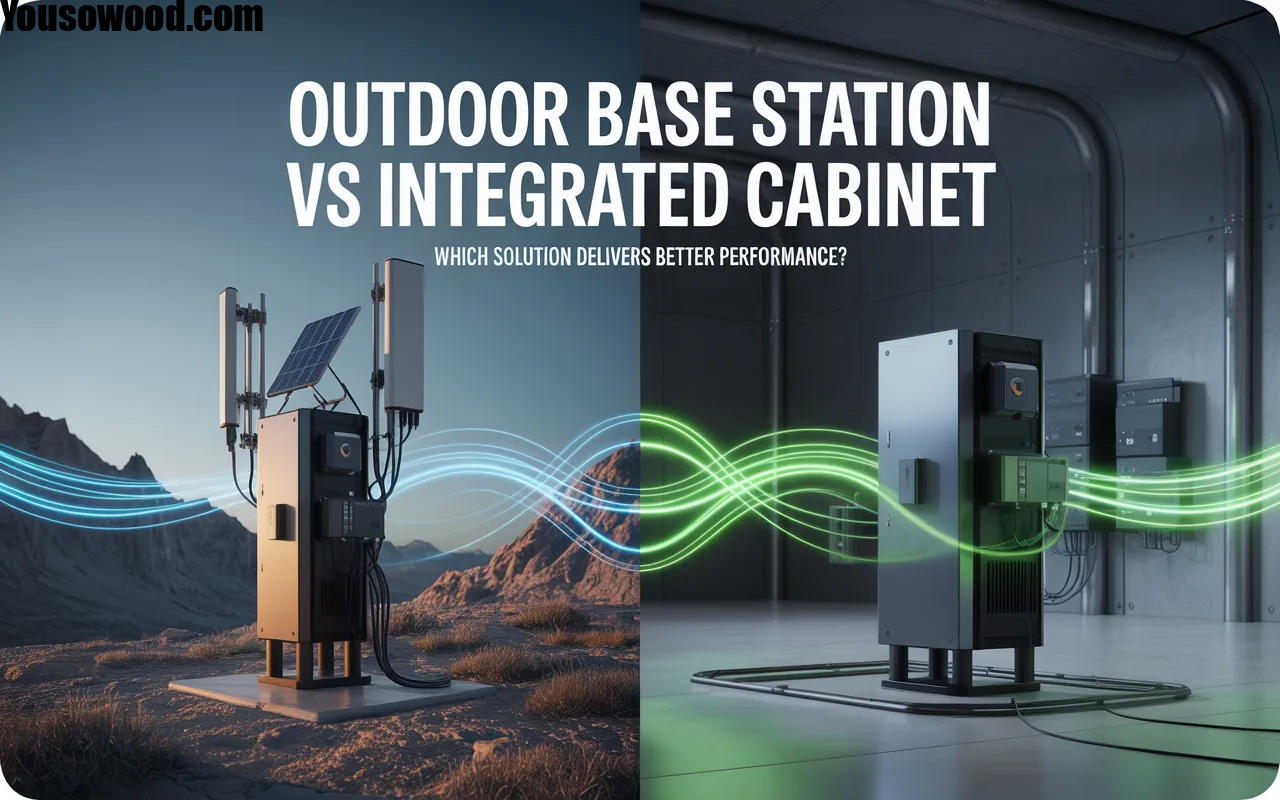
Modern communication networks depend on strong and stable infrastructure. From mobile networks to telecom towers and remote connectivity sites, everything relies on equipment that must run 24/7 without interruption. As demand increases and networks expand into harsher environments, choosing the right outdoor infrastructure becomes critical.
Two widely used solutions in this space are the outdoor base station Cabinet and the floor-standing integrated cabinet. Both are design to support telecom and network equipment, but they differ in structure, capacity, flexibility, and use cases. Understanding these differences helps engineers and planners choose the right solution for performance, reliability, and long-term efficiency.
Why Outdoor Cabinet Systems Matter in Modern Networks
Telecom infrastructure is no longer limit to controll indoor environments. Today, equipment is often install in:
- Remote rural locations
- Urban rooftops
- Industrial zones
- Harsh weather regions
In these environments, systems must be durable, weather-resistant, and capable of operating continuously with minimal maintenance.
Outdoor cabinets solve this challenge by combining protection, cooling, and structured equipment housing into one system. They ensure stable performance even when conditions are not ideal.
What Is an Outdoor Base Station Cabinet?
An outdoor base station Cabinet is a specially design enclosure use to house telecom base station equipment such as power systems, batteries, transmission devices, and cooling units.
These cabinets are built to withstand outdoor conditions like rain, dust, heat, and wind. They are commonly use in mobile network deployments where reliability is critical.
A typical outdoor base station cabinet includes:
- Weatherproof metal enclosure
- Built-in cooling or ventilation system
- Power distribution unit
- Battery compartment
- Cable management system
For example, solutions like the outdoor base station cabinet are designed specifically to support telecom infrastructure in demanding outdoor environments while maintaining stable and efficient operation.
These cabinets are widely used in 4G/5G networks, rural communication sites, and remote base stations where reliability is essential.
What Is a Floor-Standing Integrated Cabinet?
A floor-standing integrated cabinet is a more advanced and compact all-in-one solution designed for structured equipment deployment. It integrates multiple systems into a single vertical cabinet, often used in both indoor and semi-outdoor environments.
A system like the 20U outdoor floor-standing integrated cabinet is designed to combine power systems, batteries, and telecom equipment in one unified structure.
Key features typically include:
- Integrated power and battery systems
- Modular internal design
- Enhanced cooling system
- Strong structural frame for outdoor use
- Easy maintenance access
These cabinets are especially useful in locations where space is limited but system integration and efficiency are important.
Key Differences in Design and Structure
While both solutions serve similar purposes, their design philosophy is different.
The outdoor base station cabinet is more focused on:
- Robust protection
- Telecom-specific deployment
- Environmental resistance
- Distributed network installation
The floor-standing integrated cabinet focuses on:
- System integration
- Space optimization
- Modular functionality
- Multi-equipment consolidation
In simple terms, one is designed for network reliability in harsh environments, while the other is designed for efficient system integration in compact spaces.
Performance Comparison: Which One Is Stronger?
1. Environmental Protection
Both systems are designed for outdoor use, but base station cabinets are often more specialized for extreme weather conditions. They are built to handle continuous exposure in remote telecom sites.
2. System Integration
Floor-standing integrated cabinets offer better integration. Instead of separate units, multiple systems are combined into one structure, making management easier and more efficient.
3. Space Utilization
Integrated cabinets perform better in limited spaces because they combine multiple functions in a single enclosure. Base station cabinets may require more distributed installation depending on network design.
4. Maintenance and Accessibility
Integrated cabinets are generally easier to maintain due to centralized components. However, base station cabinets are optimized for field replacement and rugged deployment.
When to Use an Outdoor Base Station Cabinet
An outdoor base station cabinet is the right choice when:
- The site is remote or exposed to harsh weather
- Telecom network reliability is the top priority
- Equipment needs to operate independently
- Maintenance visits are limited
These cabinets are ideal for telecom operators expanding coverage in rural or difficult-to-reach areas.
When to Use a Floor-Standing Integrated Cabinet
A floor-standing integrated cabinet is more suitable when:
- Space is limited but multiple systems are required
- Power, battery, and telecom systems need to be combined
- Efficiency and centralized control are important
- The installation site requires modular scalability
This makes it ideal for urban telecom setups, smart infrastructure projects, and compact network hubs.
Energy Efficiency and Cooling Considerations
Both systems require effective thermal management to ensure long-term performance.
Outdoor base station cabinets rely on:
- Natural ventilation or fan cooling systems
- Heat-resistant materials
- Passive or active airflow control
Floor-standing integrated cabinets often include:
- Advanced internal cooling systems
- Intelligent temperature monitoring
- Optimized airflow design for multiple components
Efficient cooling is critical because overheating can reduce equipment lifespan and affect network performance.
Final Thoughts
Both the outdoor base station Cabinet and the floor-standing integrated cabinet play important roles in modern telecom infrastructure. Each is designed for specific challenges and environments.
Base station cabinets are ideal for rugged, distributed, and remote deployments where reliability and durability are critical. Integrated cabinets, on the other hand, are better suited for compact, efficient, and multi-system environments where space and integration matter most.
There is no universal winner—only the right solution for the right application. As telecom networks continue to expand and evolve, choosing the correct cabinet system will remain a key factor in ensuring performance, stability, and long-term operational success.