
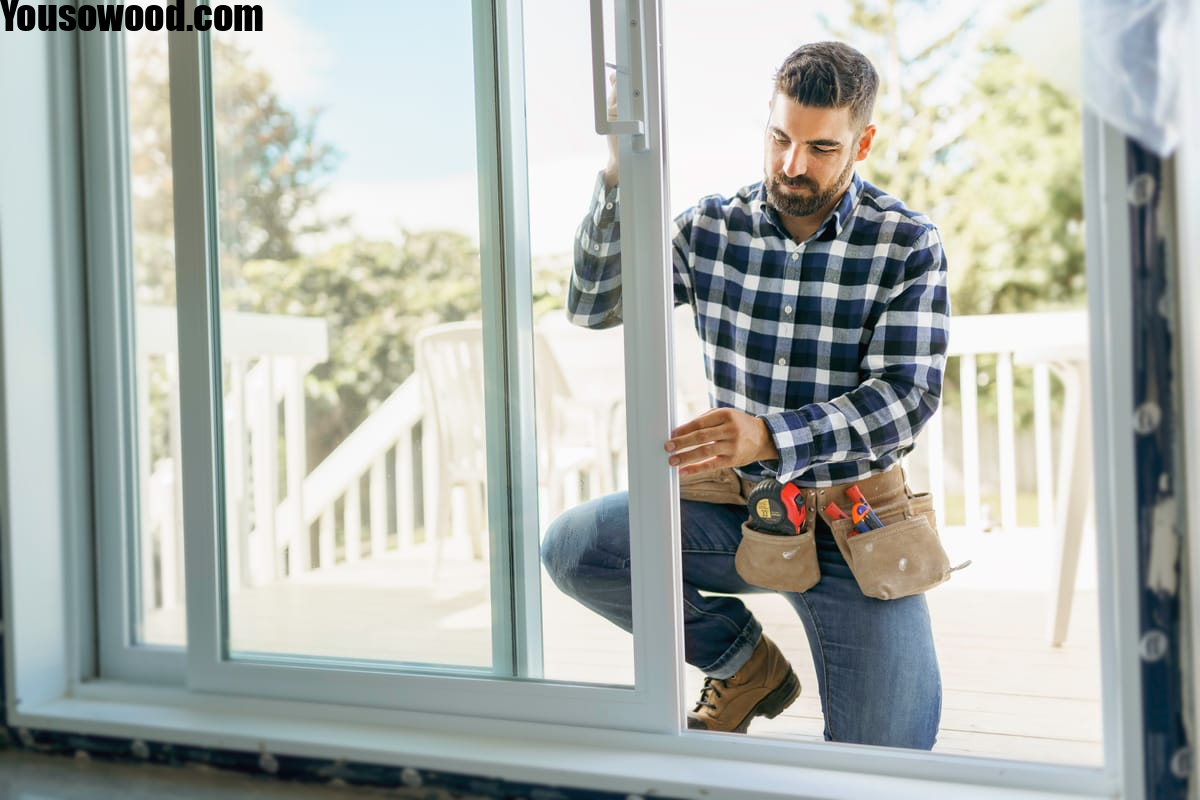
Planning a new window installation project is an important step in improving your home’s comfort, energy efficiency, and overall appearance. Whether you are replacing old windows or installing new ones in a renovation or new construction, careful planning helps ensure a smooth process, better results, and long-term value. A well-organized approach reduces delays, avoids unnecessary costs, and ensures the final installation meets both functional and aesthetic expectations.
Assessing Your Current Windows and Home Needs
The first step in planning a window installation project is evaluating your current windows and identifying what needs improvement. Homeowners often notice issues such as drafts, condensation between panes, difficulty opening or closing windows, or rising energy bills. These are signs that windows may no longer be performing efficiently.
It is also important to consider your home’s specific needs. Some rooms may require more natural light, while others may need better ventilation or improved insulation. Understanding these needs helps guide decisions about window style, size, and placement.
Choosing the Right Window Styles
Selecting the right window style is a key part of the planning process. Different styles offer different benefits depending on the room and function. For example, casement windows provide excellent ventilation, while picture windows maximize natural light and outdoor views. Sliding windows work well in areas with limited space, and double-hung windows offer flexible airflow control.
Choosing styles that match both your home’s architecture and your functional needs ensures a balanced and visually appealing result. Consistency in design across the home also helps maintain a cohesive exterior appearance.
Selecting Energy-Efficient Materials and Glass Options
Energy efficiency is a major factor in modern window installation projects. Homeowners should consider options such as double-pane or triple-pane glass, Low-E coatings, and insulated frames. These features help reduce heat transfer, maintain indoor temperature stability, and lower energy consumption.
Frame materials such as vinyl, fiberglass, and composite also play an important role in performance. Each material offers different levels of insulation, durability, and maintenance requirements, so selecting the right combination is essential for long-term efficiency.
Setting a Realistic Budget
Budget planning is an important step in any window installation project. Costs can vary depending on the number of windows, materials selected, design complexity, and installation requirements. It is important to consider both upfront costs and long-term savings from improved energy efficiency.
A well-planned budget should also account for potential adjustments during installation, such as structural repairs or upgrades that may be discovered once the old windows are removed.
Scheduling and Project Timeline
Timing plays a crucial role in the success of a window installation project. Homeowners should consider seasonal conditions, contractor availability, and project scope when setting a timeline. In many cases, mild weather seasons are ideal for installation, as they allow for easier sealing and less disruption to the home’s interior temperature.
Clear scheduling helps ensure that the project stays on track and minimizes inconvenience during installation. Coordinating timelines with professionals also helps avoid delays and ensures efficient completion.
Preparing Your Home for Installation
Proper preparation helps ensure a smooth installation process. Homeowners should clear furniture, curtains, and decorations near window areas to provide easy access for installers. It is also helpful to protect flooring and nearby surfaces from dust or debris during the installation process.
Clear communication with installers about access points, special requirements, or concerns can also improve efficiency and reduce potential issues during the project.
Working with Professional Installation Experts
Professional installation plays a critical role in ensuring long-term performance and durability. Experienced installers ensure that windows are properly aligned, sealed, and secured to prevent air leaks, moisture intrusion, and structural issues.
Working with qualified professionals helps ensure that the installation meets industry standards and delivers the expected energy efficiency and comfort improvements. Homeowners often rely on trusted providers such as Zen Windows Boston to ensure their projects are handled with care and attention to detail.
Final Inspection and Long-Term Maintenance
After installation is complete, a final inspection ensures that all windows are functioning correctly and properly sealed. Homeowners should check for smooth operation, secure locking mechanisms, and proper insulation around frames.
Long-term maintenance is also important for preserving window performance. Regular cleaning, occasional seal inspections, and timely repairs help extend the lifespan of the windows and maintain energy efficiency over time.
Conclusion
Planning a successful new window installation project requires careful attention to detail, from assessing current needs and selecting window styles to setting a budget and working with experienced professionals. Each step plays a role in ensuring that the final result improves comfort, energy efficiency, and the overall appearance of the home.
By taking a structured approach and working with skilled installers, homeowners can achieve long-lasting results that enhance both the value and livability of their property.