
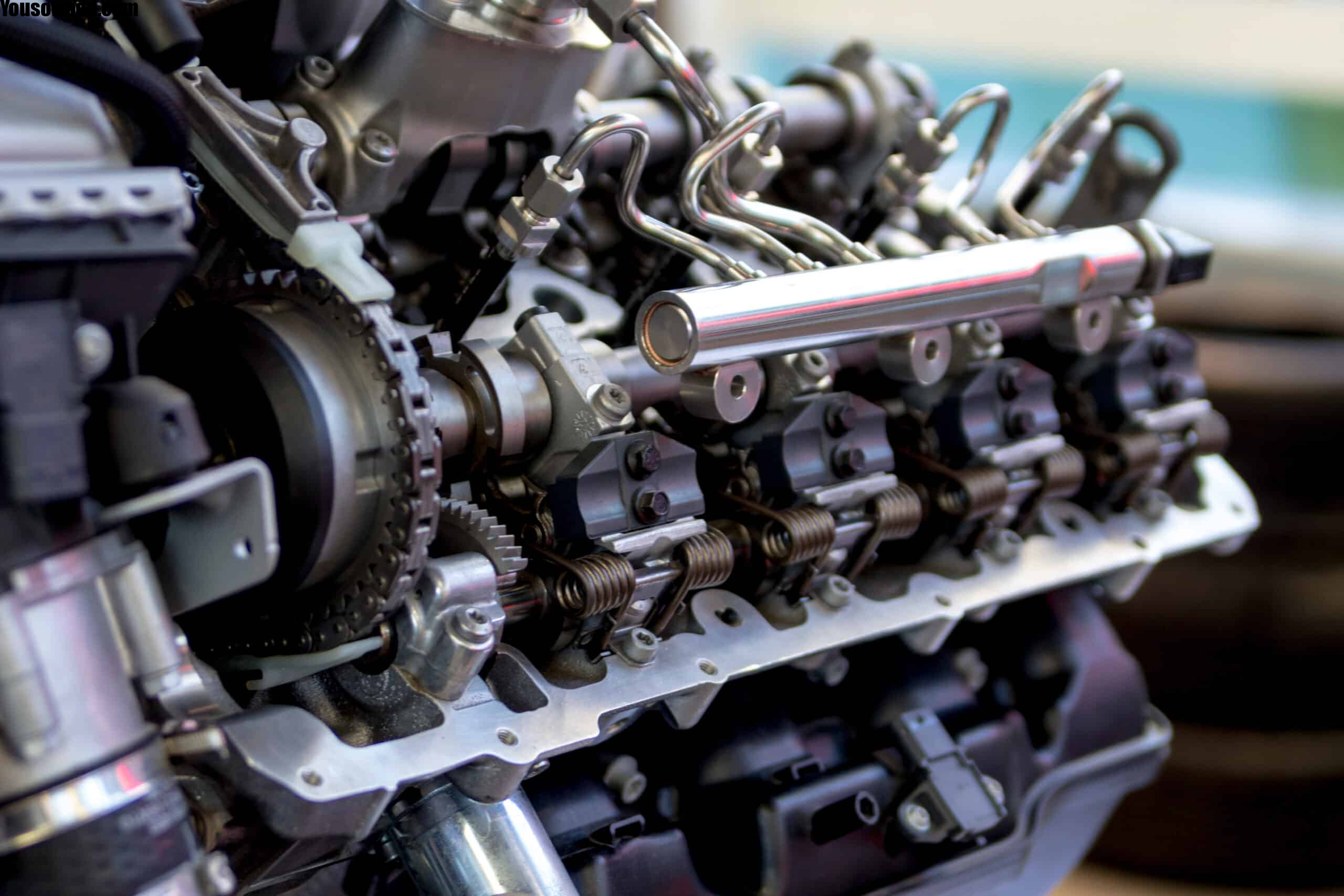
The selection of the appropriate power system cannot be approached from a procurement perspective. Irrespective of whether you have sought this guide for insight into your site, factory, or even engines on your ship, expect to find your concerns comprehensively covered by the workings of the essential diesel engine.
Understanding Core Power Architectures
- Diesel Engine Generates Mechanical Energy
- Generator Generates Electrical Energy from Mechanical Input
- Marine Engine Generates Propulsion Power for Aquatic Operations
Clarification of these functions is paramount before drawing a comparison of these devices.
Diesel Engines
The main purpose of diesel engines is to work in high-pressure conditions. These machines feature a high capacity for generating torque and working under load pressure.
- Higher compression increases efficiency in converting fuel.
- Stronger structure makes for a long operating cycle.
- Lower RPM makes for lower wear on the machinery over time.
Silent Generator
These machines operate with a different purpose in mind. They generate controlled electric energy with a focus on noiseless performance. Enclosure prevents noises from escaping outside. Vibrations are minimized to increase efficiency and reduce potential damage. An alternator ensures a constant flow of electrical energy.
Silent generators become crucial in places with noise pollution restrictions or sensitive locations in general. For example, hospitals, parties, and construction work in the city—all these activities are likely to use a silent generator.
From a technical standpoint, silent generators provide for stability that might not always be present otherwise. Constant voltage levels will prevent damage to electronics caused by voltage fluctuations.
Marine Engines
Operating in a harsh aquatic environment requires a special set of features. That, plus saltwater deterioration and the beating of the waves, requires corrosion protection to help increase longevity. Cooling systems often utilize seawater, and stable torque will allow for smooth propulsion under varying loads.
It is important to remember that a marine engine is fundamentally different from the diesel engine mentioned above. While a diesel engine works as an engine, a marine engine performs the task of propulsion. This distinction means that its operating characteristics are somewhat different.
Comparing Performance Metrics
Every type of system should be assessed based on certain operational criteria.
Power Output
- Diesel engines produce significant mechanical energy.
- The silent generators convert the mechanical energy into usable electricity.
- Marine engines focus more on mechanical efficiency than power output.
Efficiency
- Diesel engines boast high efficiency when it comes to fuel.
- The silent generators cause losses but produce usable electricity.
- Marine engines balance efficiency with durability.
Noise Levels
- Diesel engines are noisy.
- The silent generators reduce noise levels significantly.
- Marine engines are placed somewhere between the two types.
Application-Based Selection
It is impossible to choose among three types without considering operational criteria.
In constructions, diesel engines are used to power equipment. The silent generators can be used as backups. In manufacturing, the silent generators are used for ensuring constant power flow. Some parts of the process can be powered using diesel engines. In maritime industry, marine engines are obligatory. The silent generators can be installed aboard but will play secondary roles.
Integration Options
In modern industrial settings, integration becomes indispensable.
- Diesel engines can be paired with generators.
- The silent generators will be good for peak loads.
- The marine engines will work well in conjunction with generators.
Integration is useful because it enables you to create a backup system. You also get increased flexibility because other systems can pick up the slack.
Maintenance Differences
The maintenance of these engines differs considerably.
- Diesel engines will require periodic oil changes and fuel system checks.
- The silent generators have to be inspected regarding their alternators and acoustic enclosure.
- Marine engines have to be treated with greater care because of the salty environment.
Final Assessment
Every single system is created for its own unique purpose. Confusing one system with another results in wastage of energy and money. Go for diesel engines when power and durability are the primary requirements. Utilize silent generators when electrical energy production is the priority. And amidst the throes of the sea, use a marine engine.