
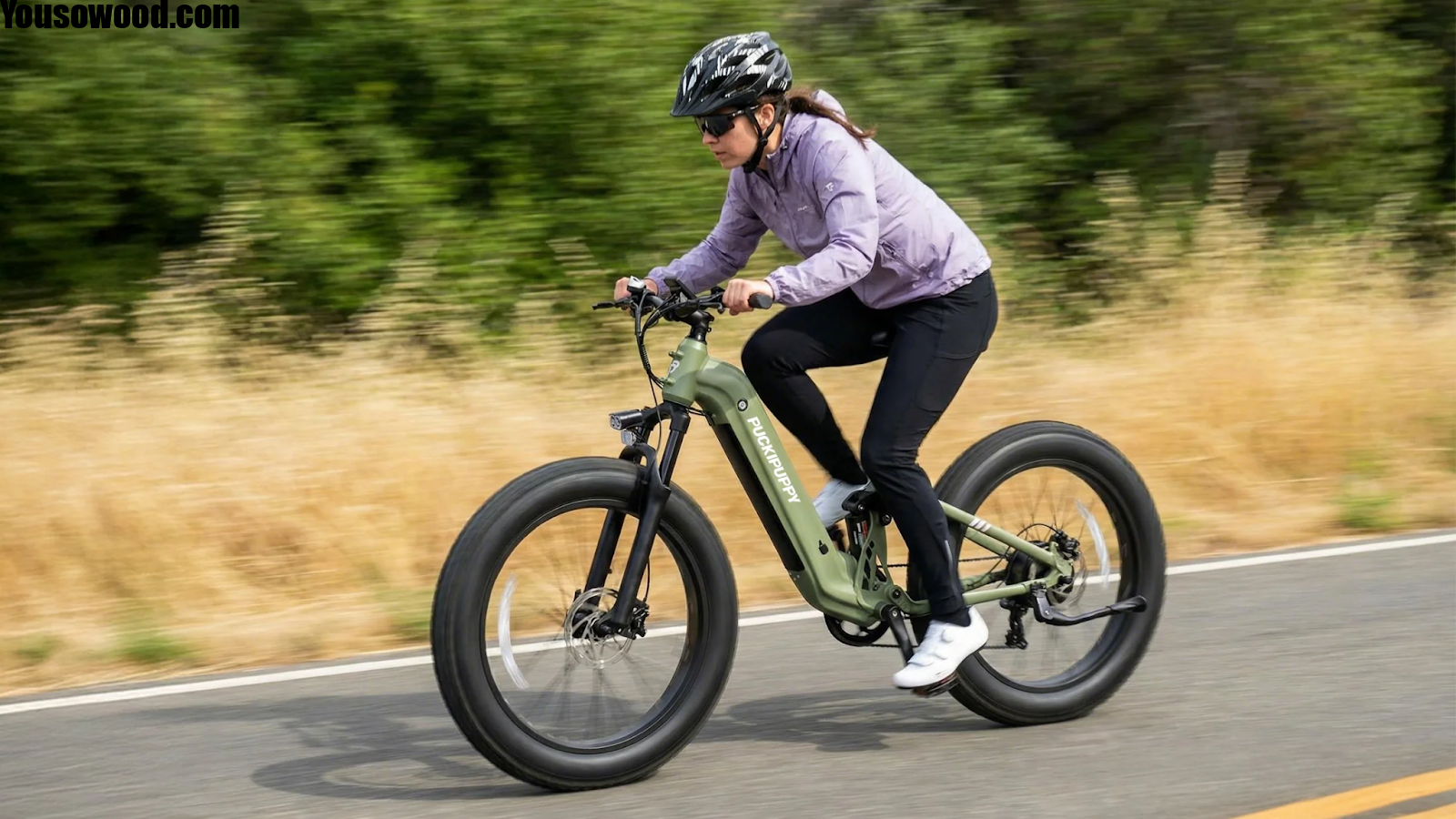
One of the most common questions people ask before buying an electric bike is about maintenance. Compared with traditional bicycles, e-bikes include additional components such as motors, batteries, and electronic systems, which can make potential riders wonder whether owning one requires significantly more upkeep.
In reality, e-bike maintenance is not as complicated as many people expect. Most of the maintenance tasks are the same as those required for regular bicycles. While the electrical components add a few extra considerations, modern e-bikes are designed to be reliable and easy to maintain for everyday riders.
Understanding what actually needs maintenance—and how often—can help riders feel more confident about using an e-bike as a daily transportation tool.
The Basics: Most Maintenance Is the Same as a Regular Bike
Despite the additional technology, the majority of an e-bike’s components are still standard bicycle parts. This means that the core maintenance tasks remain familiar to anyone who has owned or ridden a bike before.
Typical maintenance items include:
- Keeping the chain clean and lubricated
- Checking tire pressure regularly
- Adjusting brakes when necessary
- Inspecting the drivetrain for wear
- Tightening bolts and components
These are routine tasks that help ensure smooth performance and extend the lifespan of the bike. Riders who already maintain a standard bicycle will find that maintaining an e-bike feels very similar.
Chain and Drivetrain Care
One of the most important maintenance tasks for any bicycle is caring for the chain and drivetrain. Because e-bikes often assist the rider with motor power, the drivetrain can experience slightly higher stress compared with traditional bikes.
Regular chain maintenance helps prevent premature wear and keeps the bike running smoothly. Riders should:
- Clean the chain periodically to remove dirt and debris
- Apply appropriate chain lubricant
- Check for chain stretch over time
Depending on riding conditions and frequency, this type of maintenance may be required every few weeks or every few hundred miles.
Fortunately, the process is simple and requires only basic tools.
Tire Maintenance and Replacement
Tires are another component that requires regular attention. Like any bicycle, e-bike tires gradually wear down with use, especially for commuters riding on pavement.
Riders should check tire pressure regularly because properly inflated tires improve efficiency, comfort, and safety. Low tire pressure can make the bike harder to ride and increase the risk of punctures.
Tire replacement intervals vary depending on riding habits, but many riders replace their tires after 1,000 to 3,000 miles of use.
Many commuter e-bikes are equipped with puncture-resistant tires designed specifically for urban environments, which helps reduce maintenance needs.
Brake Wear and Adjustments
Because e-bikes are slightly heavier than traditional bicycles and often travel at consistent speeds, brake systems can experience increased wear over time.
Regular brake inspections help ensure safe stopping performance. Riders should periodically check:
- Brake pad thickness
- Brake alignment
- Brake lever responsiveness
Brake pads may need replacement after extended use, particularly for commuters who ride daily in stop-and-go city traffic.
Fortunately, replacing brake pads is a straightforward procedure that most bike shops can perform quickly.
Battery Care and Longevity
The battery is one of the most important components of an e-bike, and proper care helps ensure it lasts for many years.
Modern lithium-ion batteries are designed to be durable and reliable. Most can handle hundreds of charging cycles, which typically translates to several years of regular use.
Simple habits can help preserve battery health:
- Avoid letting the battery completely discharge too often
- Store the battery in moderate temperatures when possible
- Charge the battery using the manufacturer’s recommended charger
For riders who commute daily, charging the battery overnight is usually sufficient to keep the bike ready for the next day’s ride.
Over time, battery capacity may gradually decrease, but this process is slow and predictable.
Motor Maintenance: Usually Minimal
One advantage of modern e-bike motors is that they require very little direct maintenance. Whether the bike uses a hub motor or a mid-drive system, these components are typically sealed and designed to operate for long periods without service.
Unlike many mechanical components, the motor does not require lubrication or frequent adjustment.
If problems do occur, they are often related to electrical connections or sensors rather than the motor itself. In these cases, professional servicing at a bike shop is usually recommended.
Fortunately, such issues are relatively uncommon.
Electrical System Checks
Although e-bikes include electronic systems, these components are designed to be durable and weather-resistant. Displays, wiring, and sensors are typically sealed to protect them from rain and everyday riding conditions.
Occasional visual inspections can help ensure everything is functioning properly. Riders may check that:
- Cables are securely connected
- Display screens are clean and readable
- Control buttons respond correctly
In most cases, the electronic system requires little direct maintenance beyond normal use.
Professional Servicing
Even riders who handle basic maintenance themselves may choose to bring their e-bike to a professional bike shop periodically for a full inspection.
Annual servicing is common for frequent riders, especially commuters who rely on their bike every day. During a professional check-up, technicians may:
- Inspect drivetrain components
- Adjust brakes and gears
- Check electrical connections
- Evaluate battery health
This type of service helps ensure that the bike continues to perform reliably over time.
E-Bikes Designed for Everyday Reliability
As the popularity of e-bikes grows, many manufacturers are focusing on designs that prioritize durability and low maintenance. Commuter-oriented models are often built with components chosen for reliability rather than extreme performance.
Features such as sealed motors, integrated wiring, and durable drivetrain components help reduce the amount of maintenance required.
Brands working in the commuter e-bike segment, including Puckipuppy, reflect this trend by designing bikes intended for consistent everyday use in urban environments.
This focus on reliability helps ensure that e-bikes remain practical transportation tools rather than complex machines that require constant attention.
Maintenance Frequency for Daily Riders
For most commuters, e-bike maintenance follows a simple rhythm. Small checks—such as tire pressure or brake responsiveness—can be done quickly before rides.
More detailed maintenance tasks may occur every few weeks or months depending on usage. Compared with maintaining a car, the time and cost involved in maintaining an e-bike are relatively minimal.
Riders who keep their bikes clean, lubricated, and properly adjusted often experience very few problems.
Conclusion
So how much maintenance do e-bikes really need? In most cases, less than people expect. The majority of maintenance tasks are identical to those of traditional bicycles, while the electrical components are designed to operate reliably with minimal attention.
With regular care—such as keeping the drivetrain clean, checking tires, and maintaining the battery—an e-bike can remain a dependable form of transportation for many years.
For commuters and everyday riders, this balance of simplicity and technology is one of the reasons e-bikes continue to gain popularity as practical tools for modern urban mobility.
Disclaimer
The information provided in this article is for general informational purposes only. While efforts have been made to ensure accuracy, maintenance requirements for e-bikes may vary depending on the model, manufacturer guidelines, riding conditions, and individual usage. Readers should always consult the manufacturer’s manual or a qualified bicycle technician for specific maintenance instructions related to their e-bike. The mention of any brand or product is for informational purposes only and does not constitute endorsement.